Gamers often struggle to find the perfect monitor amidst endless options. This guide cuts through the noise, helping you understand what truly makes a good monitor for gaming in 2026. We'll cover essential features like refresh rates, response times, panel types, and resolutions, ensuring you make an informed decision without getting bogged down in technical jargon. Whether you're a casual player looking to unwind after a long day or a competitive enthusiast aiming for peak performance, this resource is designed to simplify your search. Discover how to balance performance with budget, understand the latest display technologies, and identify monitors that genuinely enhance your gaming experience. Avoid common setup issues and performance bottlenecks by learning what matters most for today's diverse gaming landscape, including popular social and competitive titles. This comprehensive overview ensures you invest wisely, getting the most out of your gaming sessions.
How important is refresh rate for competitive gaming?
For competitive gaming, refresh rate is paramount. A monitor with 144Hz or higher significantly reduces motion blur and input lag, allowing you to react faster and track targets more smoothly. This translates directly to a tangible advantage in fast-paced titles like esports games, where split-second decisions and precise movements are critical for victory.
Can a monitor really improve my gaming skill?
Yes, indirectly. A good gaming monitor provides a clearer, smoother visual experience, reducing eye strain and improving your ability to perceive details and react. While it won't instantly make you a pro, it removes hardware limitations that might be holding back your reflexes and overall performance, allowing your true skill to shine through. This optimization can give you a subtle but important edge.
What's the deal with ultrawide monitors for gaming?
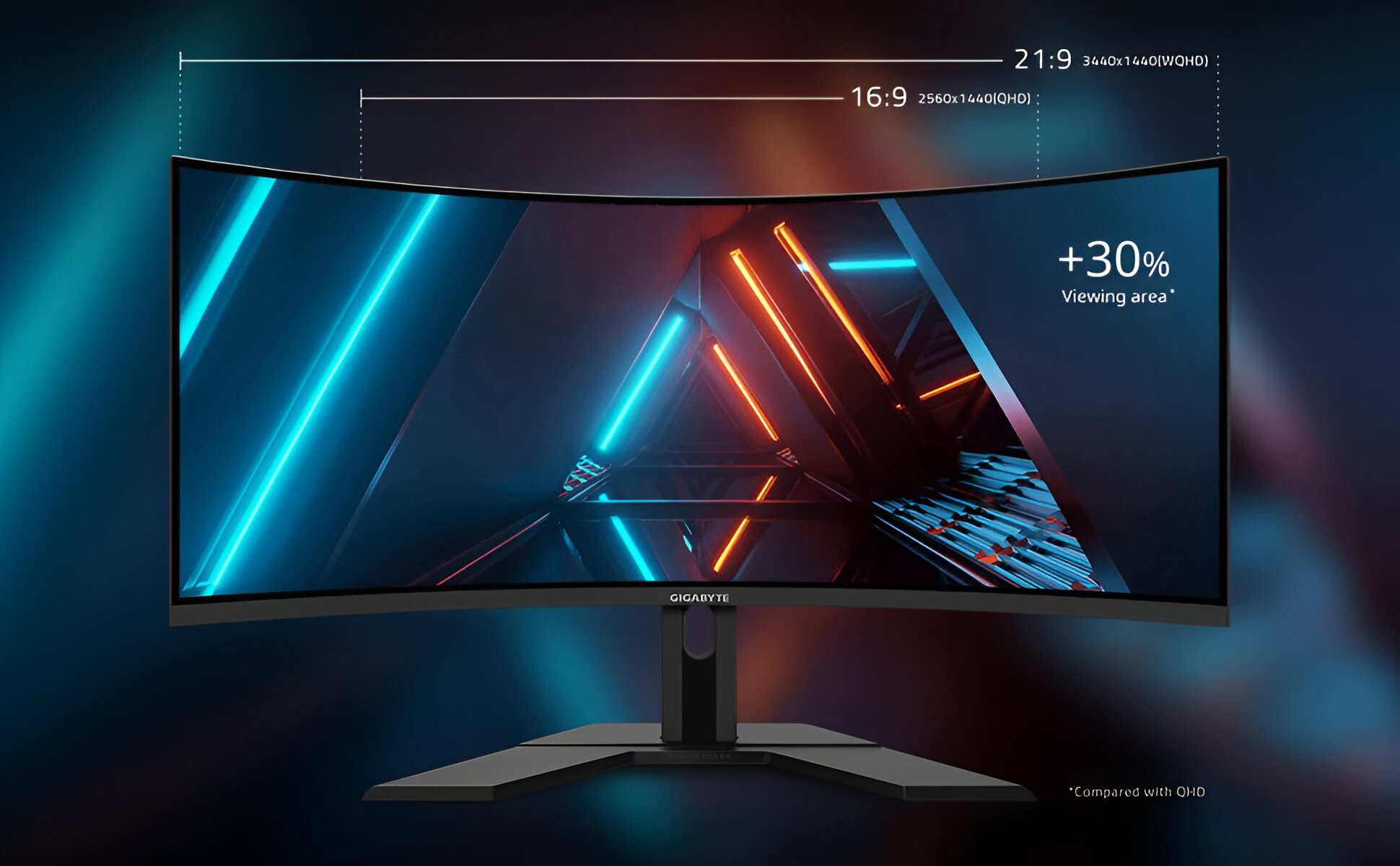
Ultrawide monitors offer a more immersive experience by expanding your field of view, particularly beneficial for RPGs, simulations, and some competitive games where peripheral vision is key. They often replace a dual-monitor setup but require a powerful GPU to drive the higher pixel count effectively. Many busy gamers find the extra immersion helps them unwind and truly escape into their favorite virtual worlds after a long day.
Should I prioritize resolution or refresh rate if I have a budget?
If you have a budget and play fast-paced or competitive games, prioritize refresh rate (144Hz+) over ultra-high resolution (4K). A smooth 1080p or 1440p experience at high frame rates is generally more beneficial for performance and feel than a visually sharper but choppier 4K experience. This strategy ensures you maximize your gameplay enjoyment and competitive potential within your financial limits.
Are curved gaming monitors just a gimmick?
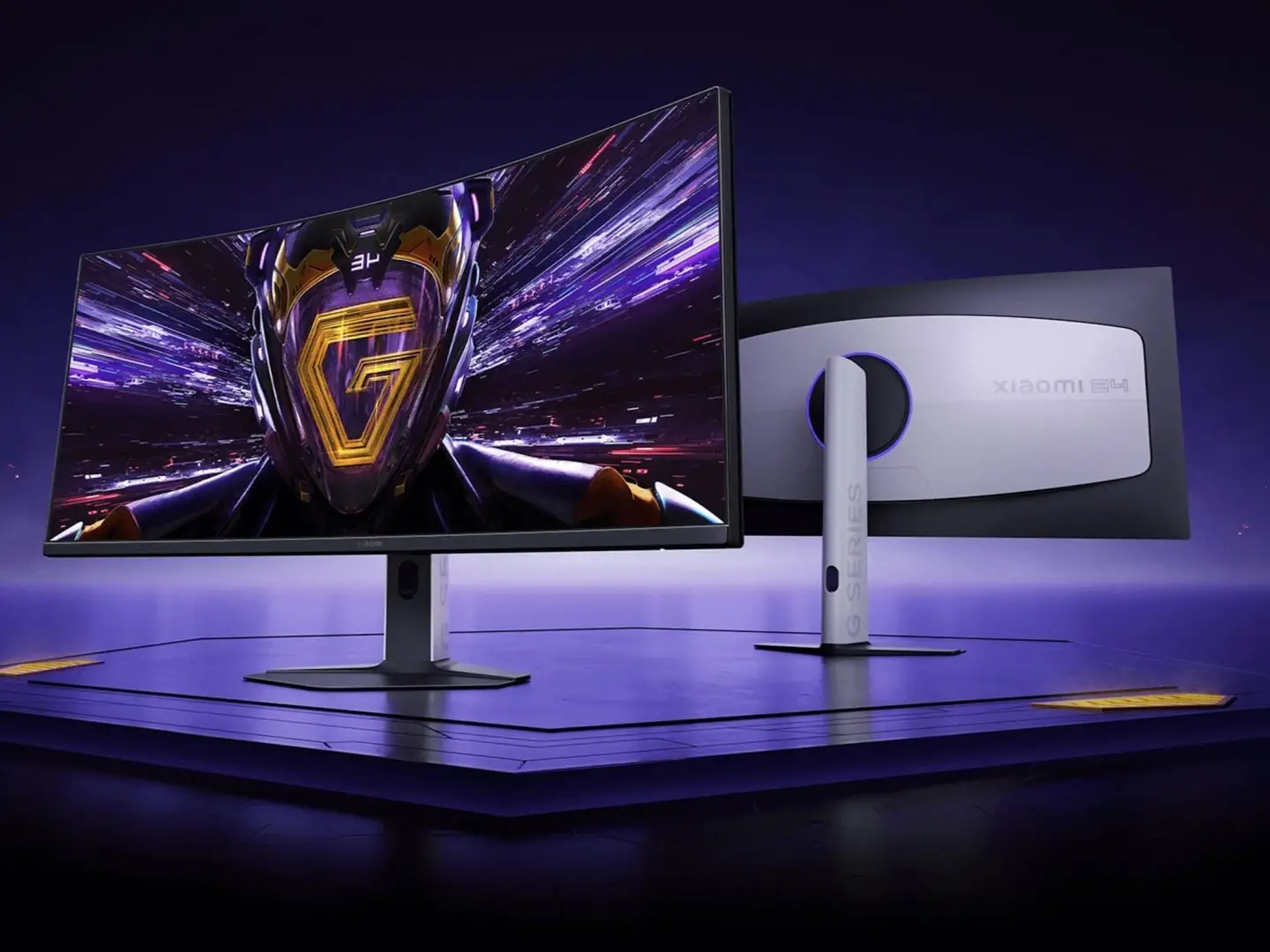
Curved gaming monitors are not a gimmick for many users. They aim to enhance immersion by matching the natural curvature of the human eye, reducing distortion at the edges of the screen, especially on larger displays or ultrawides. For some, they provide a more comfortable and engaging experience, making it easier to focus on the game without constantly moving their eyes across a flat, expansive screen.
What's the best way to test my new gaming monitor?
When you get a new gaming monitor, check for dead pixels using online tools, test refresh rate and response time settings in your display options, and play a variety of games to ensure consistent performance. Adjust calibration settings to your preference for optimal color and brightness. This comprehensive testing helps you catch any issues early and fine-tune your display for peak gaming enjoyment.
How do I balance a gaming monitor upgrade with my existing PC hardware?
Always ensure your GPU can effectively drive the monitor's resolution and refresh rate. A powerful 1440p 144Hz monitor is wasted on an older GPU that can only push 60 FPS at that resolution. Check benchmarks for your graphics card with your target monitor specs to avoid bottlenecks and maximize value. This foresight ensures a balanced system and a truly optimized gaming experience for your investment.
Welcome, fellow gamer! If you've ever found yourself staring at an overwhelming array of monitors, wondering "what is a good monitor for gaming?" then you're not alone. For many of us, gaming is a cherished escape, a way to relax after work, connect with friends online, or even build a new skill. But getting bogged down in tech specs can turn that fun into frustration. This guide is for the average gamer, around 36 years old, balancing life, work, and family, who wants solid performance and value without the marketing hype. We know your time is precious, and your budget matters.
We're here to help you navigate the jargon and make an informed decision on what is a good monitor for gaming in today's landscape. With 87% of US gamers playing regularly, and many averaging over 10 hours a week, a quality monitor isn't just a luxury—it's an investment in your enjoyment and performance. Whether you're diving into the latest social games like Palworld, honing your skills in a competitive shooter, or exploring vast open worlds, the right display can dramatically elevate your experience. Let's cut through the noise and find the perfect screen to fit your gaming life.
What is a good monitor for gaming and why does it matter?
A good monitor for gaming delivers smooth visuals, vibrant colors, and minimal input lag, directly enhancing your reaction time and immersion. It matters because it's your primary window into the game world, influencing everything from competitive performance to the sheer enjoyment of a beautiful landscape. In 2026, with games pushing visual boundaries and online social experiences at their peak, a quality display ensures you're not held back by hardware limitations, making your limited gaming time more rewarding.
For many gamers balancing jobs and family, that precious hour or two of gaming needs to be as enjoyable as possible. A high-performance monitor minimizes common pain points like screen tearing, stuttering, and blurry motion that can detract from relaxation and fun. It provides the clarity needed for skill-building and optimizing performance, especially in popular cross-play titles where every millisecond counts. Investing wisely here means you get the most value for your money and stay current with gaming trends without constant upgrades.
What refresh rate and response time are best for gaming?
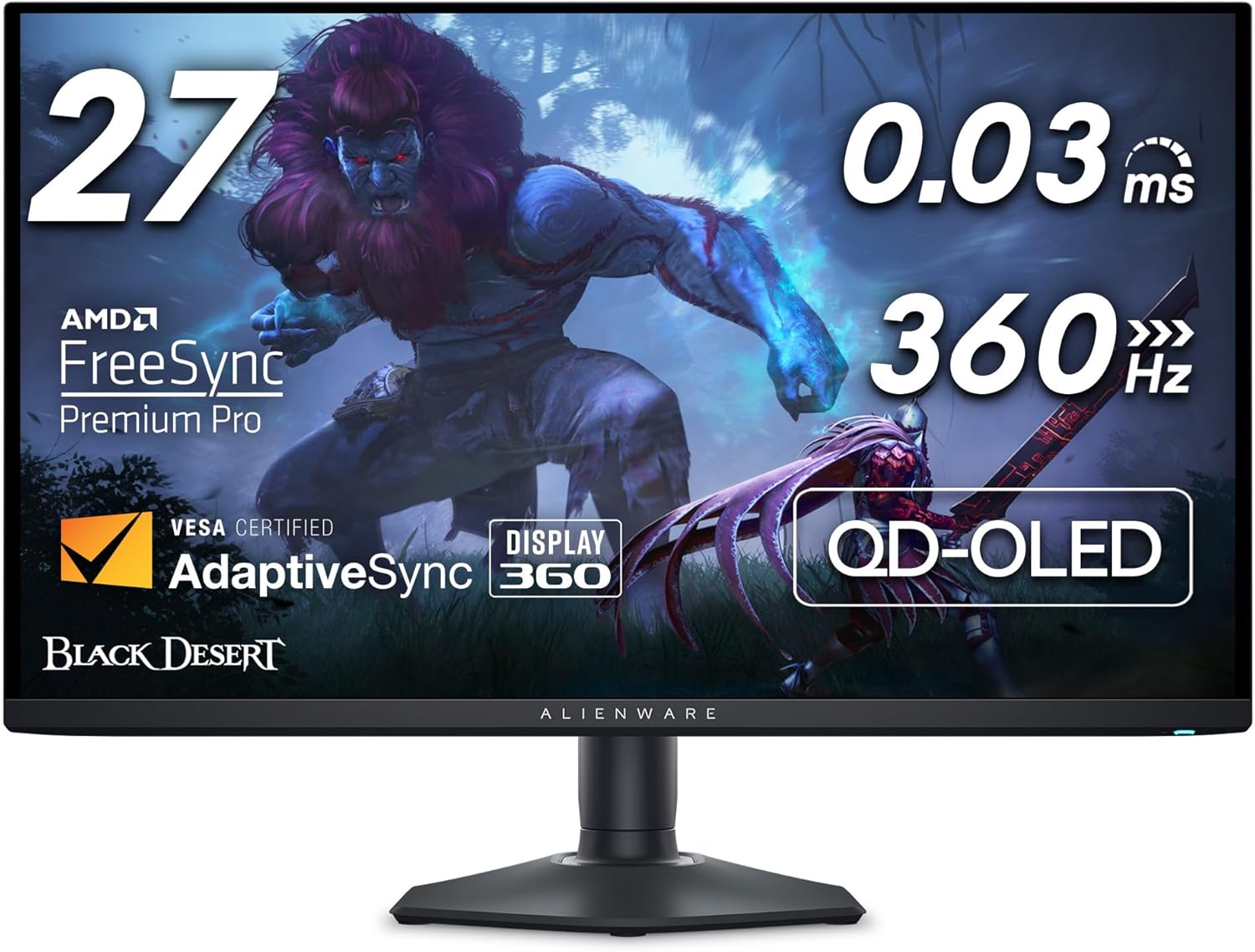
For most gamers, a refresh rate of 144Hz or higher combined with a 1ms Gray-to-Gray (GtG) response time is best for gaming. The refresh rate dictates how many times your screen updates per second; higher numbers mean smoother motion. Competitive players often aim for 240Hz or even 360Hz for an edge. The response time measures how quickly pixels can change color; 1ms GtG virtually eliminates motion blur and ghosting, making fast-moving objects appear crisp and clear. These two specs are arguably the most critical for a responsive gaming experience.
Even if you're not an esports pro, these specs significantly improve the fluidity of gameplay, reducing eye strain during long sessions and making general desktop use feel snappier. For casual gamers enjoying cozy games or single-player adventures, a 75Hz or 120Hz monitor might be sufficient, but 144Hz offers a noticeable upgrade that is increasingly affordable. Ensure your graphics card can push frames at these higher rates to truly benefit from the monitor's capabilities.
Which panel type is ideal for my gaming style: IPS, VA, or TN?
The ideal panel type depends heavily on your gaming style and priorities. In 2026, IPS (In-Plane Switching) panels are generally considered the best all-rounder, offering superior color accuracy, wide viewing angles, and increasingly competitive response times, making them great for visually rich games and content creation. VA (Vertical Alignment) panels excel in contrast and black levels, providing a more immersive experience for atmospheric single-player games, though some older VA panels can suffer from 'black smearing'. TN (Twisted Nematic) panels are the fastest with the lowest response times, often found in high refresh rate monitors, making them a top choice for competitive players where every millisecond counts, though they typically have poorer color reproduction and viewing angles.
When choosing, consider what you play most. If you're into social games with friends or story-driven blockbusters, the vibrant colors of an IPS or the deep contrast of a VA panel will enhance your experience. For those grinding ranks in a fast-paced shooter, a TN might still be the ultimate speed demon, though modern IPS panels have closed the gap significantly. Many gamers find the balance offered by a good IPS panel to be the sweet spot, providing great visuals without sacrificing too much speed.
What resolution should I choose for a gaming monitor: 1080p, 1440p, or 4K?
The best resolution for a gaming monitor balances visual fidelity with your PC's performance and budget. 1440p (2560x1440) is currently the sweet spot for most US gamers in 2026, offering a significant visual upgrade over 1080p without the extreme hardware demands of 4K. It allows for sharper images and more screen real estate, which is great for both gaming and multitasking. Most mid-to-high-end graphics cards can comfortably drive 1440p at high refresh rates, providing an excellent balance of performance and visuals.
1080p (1920x1080) remains a viable option for budget-conscious gamers or those with older hardware, allowing for very high frame rates, which is crucial for competitive play on less powerful systems. 4K (3840x2160) offers stunning detail but requires a top-tier graphics card to maintain playable frame rates, especially at high refresh rates. It's often reserved for larger screens or for players prioritizing visual spectacle over raw performance. Consider your current GPU and the types of games you play most when making this decision.
Is adaptive sync like G-Sync or FreeSync really necessary?
Yes, adaptive sync technologies like NVIDIA G-Sync and AMD FreeSync are highly recommended and can significantly improve your gaming experience. These technologies synchronize your monitor's refresh rate with your graphics card's frame rate, effectively eliminating screen tearing and minimizing stuttering and input lag. Screen tearing, where parts of two different frames appear on screen simultaneously, is a common visual artifact that can break immersion and be very distracting, especially in fast-moving scenes.
For gamers balancing busy lives, removing these visual distractions means a smoother, more enjoyable experience without fiddling with V-Sync, which often introduces input lag. Whether you have an NVIDIA or AMD graphics card, there's an adaptive sync solution for you (G-Sync for NVIDIA, FreeSync for AMD, and many G-Sync Compatible FreeSync monitors). This feature is one of the biggest quality-of-life improvements in modern gaming monitors and provides excellent value for money.
How does HDR affect gaming and is it worth the extra cost?
HDR (High Dynamic Range) dramatically enhances gaming visuals by offering a wider range of colors, brighter whites, and deeper blacks, creating a more realistic and immersive image. When implemented well, HDR makes explosions more blinding, shadows more nuanced, and overall scenes pop with incredible depth and detail. It's especially impactful in games designed with HDR in mind, where the artistic vision truly comes to life.
However, the worth of HDR depends on the monitor's implementation and your budget. Entry-level HDR monitors (like DisplayHDR 400) offer a slight improvement but don't showcase the full potential. Higher-tier certifications (DisplayHDR 600, 1000, or above) provide a truly stunning HDR experience, often utilizing local dimming zones for incredible contrast, but come at a premium price. For gamers who prioritize visual fidelity and have a powerful enough system to run games with HDR enabled, it can be a worthwhile upgrade, adding another layer to modern gaming experiences and enhancing titles like The Witcher 3 or Cyberpunk 2077.
What screen size and curvature are best for immersion?
Screen size and curvature are largely matters of personal preference and desk space, but both can significantly boost immersion. For most desktop setups, 27-inch to 32-inch monitors are popular choices, offering a good balance between screen real estate and pixel density at common resolutions like 1440p. Larger screens can feel overwhelming if you sit too close, so consider your viewing distance.
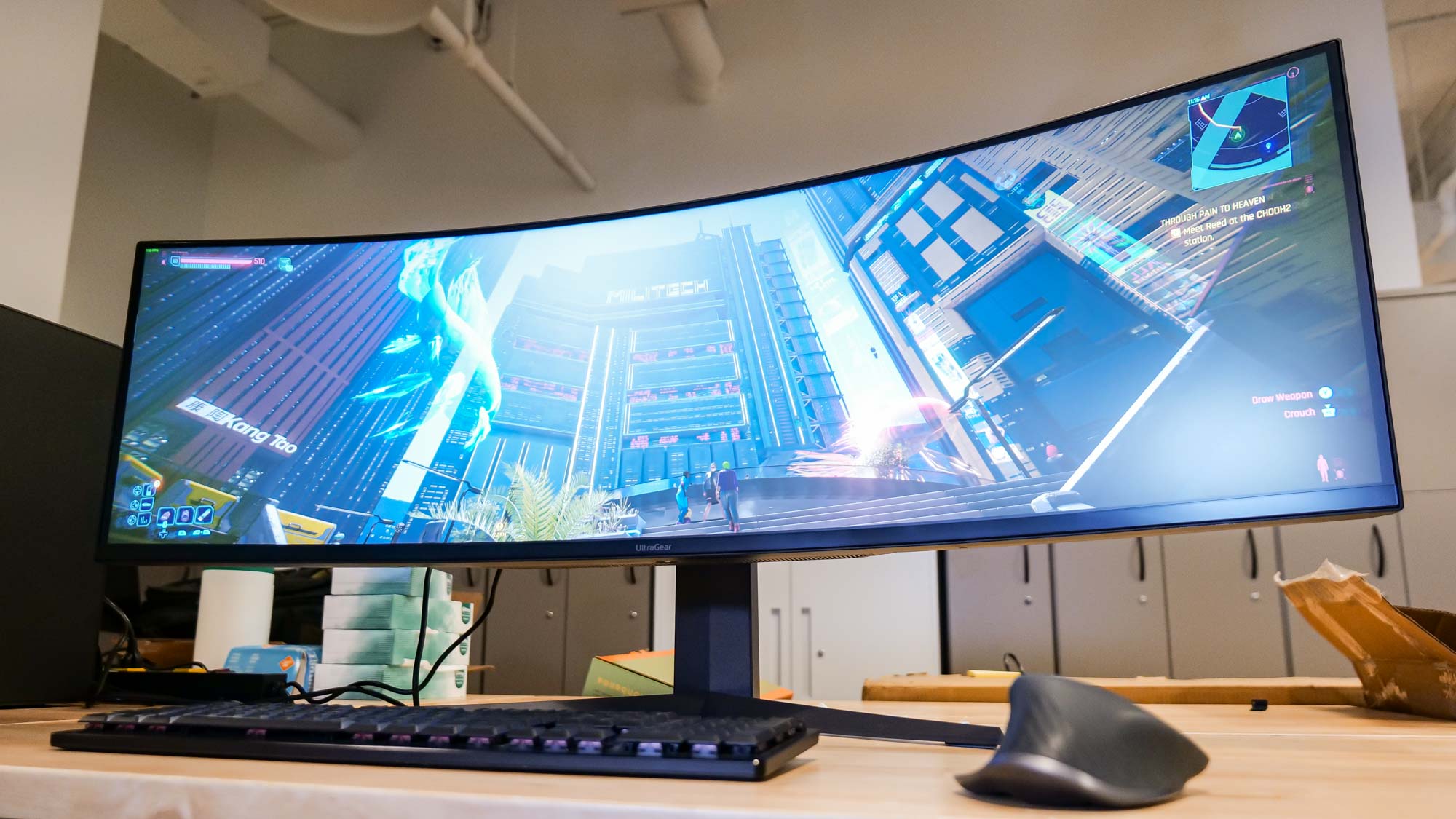
Curved monitors aim to enhance immersion by matching the natural curvature of the human eye, making the edges of the screen feel closer and reducing the need for eye movement, especially on wider displays. They are particularly popular for ultrawide monitors (21:9 or 32:9 aspect ratios) which offer a panoramic view, transforming games like flight simulators or racing games into incredibly immersive experiences. While not strictly necessary, many gamers find that a gently curved ultrawide monitor truly pulls them into the game world, making it easier to unwind and lose themselves after a long day.
What other features should I look for in a gaming monitor?
Beyond core performance specs, several other features contribute to a good gaming monitor experience. Ergonomics are crucial for comfort during long gaming sessions; look for monitors with height adjustment, tilt, swivel, and pivot options. Good connectivity, including multiple HDMI 2.1 ports for console gaming (essential for 2026-era consoles) and DisplayPort for PC, along with USB hubs for peripherals, adds convenience. Built-in speakers are often mediocre, so external speakers or a good headset are usually preferred, but they can be a handy backup.
Eye care features like low blue light modes and flicker-free technology can reduce eye strain, which is vital for busy adults who might game late into the evening. Picture-in-Picture or Picture-by-Picture modes are useful for multitasking or streaming. Lastly, consider the build quality and aesthetic. A sleek, well-built monitor can complement your setup and contribute to an overall satisfying experience, ensuring your investment not only performs well but also looks great.
How can I get a good gaming monitor on a budget?
Getting a good gaming monitor on a budget in 2026 is entirely possible with smart choices. Prioritize the core performance metrics: a high refresh rate (120Hz or 144Hz) and a low response time (1ms or 5ms GtG). You might need to compromise on resolution (e.g., stick with 1080p instead of 1440p or 4K), panel type (a fast TN can be cheaper than an equivalent IPS), or features like advanced HDR. Look for sales events like Black Friday, Prime Day, or end-of-year clearances, which often offer significant discounts on reputable brands.
Consider reputable refurbished monitors from trusted retailers, as these can offer substantial savings with warranties. Sometimes, older generation models, while not cutting-edge, still provide excellent performance for their price. Focus on what truly impacts your gaming experience the most for the games you play. Many gamers find that a high refresh rate 1080p monitor offers far better value and enjoyment than a 4K 60Hz monitor if their GPU struggles to maintain high frame rates.
What are the common setup issues and how can I avoid them?
Common gaming monitor setup issues often involve incorrect display settings, outdated drivers, or improper cable connections. To avoid them, always ensure your graphics drivers are up to date from NVIDIA or AMD's websites. Use the correct cables for your monitor's capabilities—DisplayPort is generally preferred for PC gaming to achieve high refresh rates and adaptive sync, while HDMI 2.1 is crucial for 4K 120Hz on modern consoles.
After connecting, verify your monitor's refresh rate is set correctly in your operating system (e.g., Windows Display Settings > Advanced Display Settings) and in your graphics card's control panel. Sometimes, the monitor might default to 60Hz even if it's capable of 144Hz+. Ensure adaptive sync (G-Sync or FreeSync) is enabled in both your graphics card control panel and the monitor's OSD (On-Screen Display). A quick check of these simple steps can prevent performance problems and ensure you're getting the most out of your new hardware, saving you time and frustration.
So, what is a good monitor for gaming? It's one that perfectly aligns with your gaming habits, your hardware, and your budget. It's a monitor that makes you forget you're looking at a screen, pulling you deeper into your chosen worlds. We've covered the critical aspects, from refresh rates and panel types to resolutions and adaptive sync, all designed to help you make a confident choice in 2026. Remember, for the average gamer juggling life's demands, the goal is effortless enjoyment and smart spending.
With the right monitor, your gaming sessions will be smoother, more beautiful, and simply more fun, whether you're building a community in a cozy game, scoring goals in esports, or exploring a new VR world. Now, go forth and conquer your next adventure! What's your biggest gaming challenge or question? Comment below!
FAQ Section
What is the most important spec for competitive gaming monitors? The most important spec for competitive gaming monitors is a high refresh rate (144Hz to 240Hz+) combined with a low 1ms GtG response time to ensure minimal input lag and crystal-clear motion.
Are 24-inch or 27-inch monitors better for gaming? 24-inch monitors are often preferred for competitive esports due to easier screen scanning, while 27-inch monitors offer more immersion and detail, making them popular for a balanced gaming experience.
Should I get a monitor with built-in speakers? Generally, no. Built-in monitor speakers are usually low quality. Investing in a good gaming headset or external speakers will provide a vastly superior audio experience for immersion and competitive awareness.
How often should I upgrade my gaming monitor? A good gaming monitor can last 5-7 years, but upgrades might be worthwhile every 3-5 years to take advantage of significant advancements in panel technology, refresh rates, or new features like better HDR or adaptive sync.
Is it okay to use an older monitor with a new gaming PC? Yes, you can use an older monitor, but it might bottleneck your new PC's performance if it has a low refresh rate or resolution. You won't experience the full potential of your new graphics card.
What is pixel response time and why does it matter? Pixel response time measures how quickly a pixel can change from one color to another. A low response time (e.g., 1ms) reduces motion blur and ghosting, making fast-moving images clearer and sharper in games.
High refresh rates (144Hz+) and low response times (1ms) are essential for smooth gaming. IPS panels offer best color, VA for contrast, TN for speed. 1440p resolution balances performance and visual fidelity for most gamers. Adaptive Sync (G-Sync/FreeSync) eliminates screen tearing. Consider screen size and curvature for immersion. HDR improves visual depth and color. Ergonomics and connectivity are also key for long gaming sessions. Budget-friendly options exist by prioritizing core performance.
35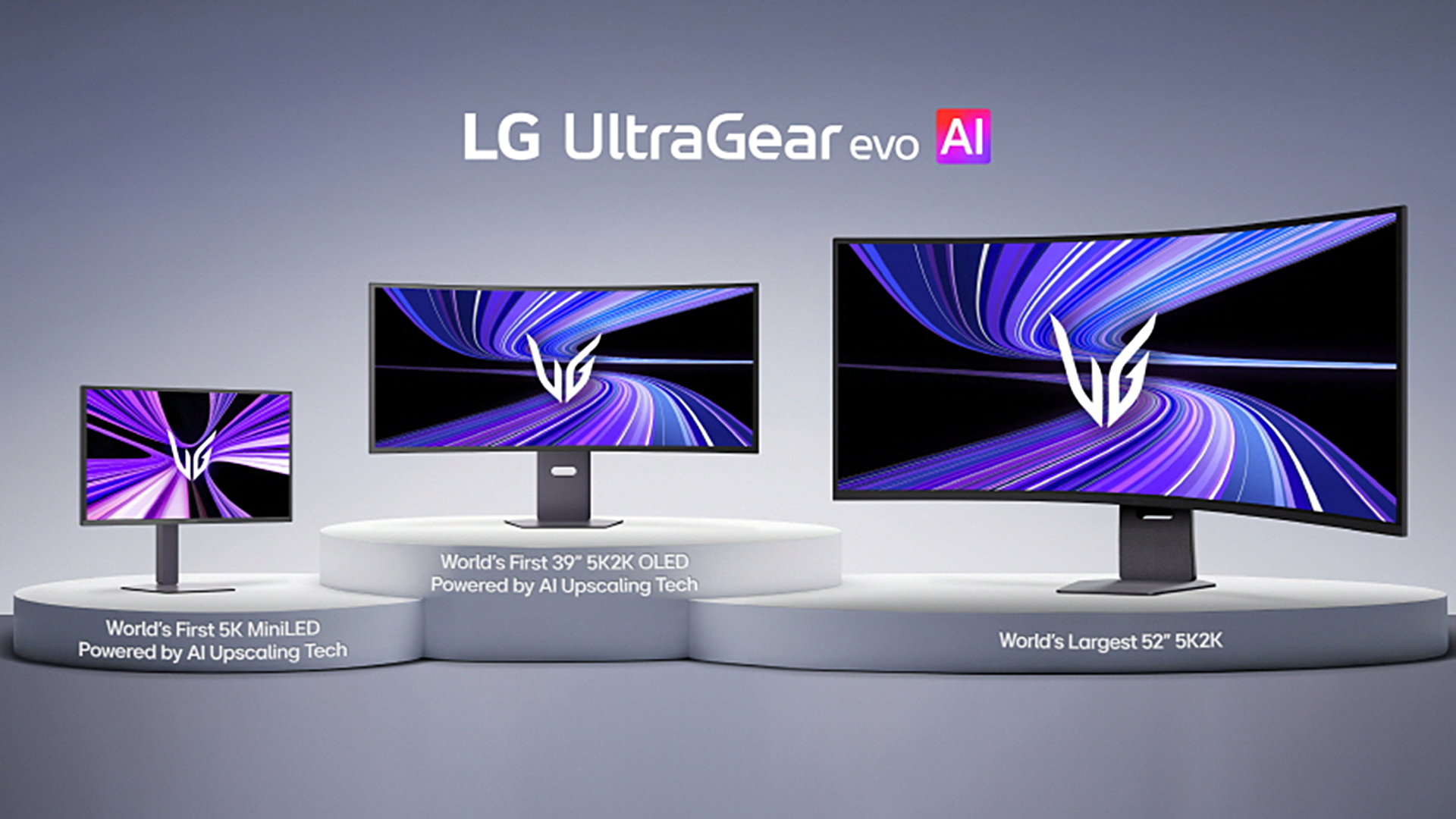
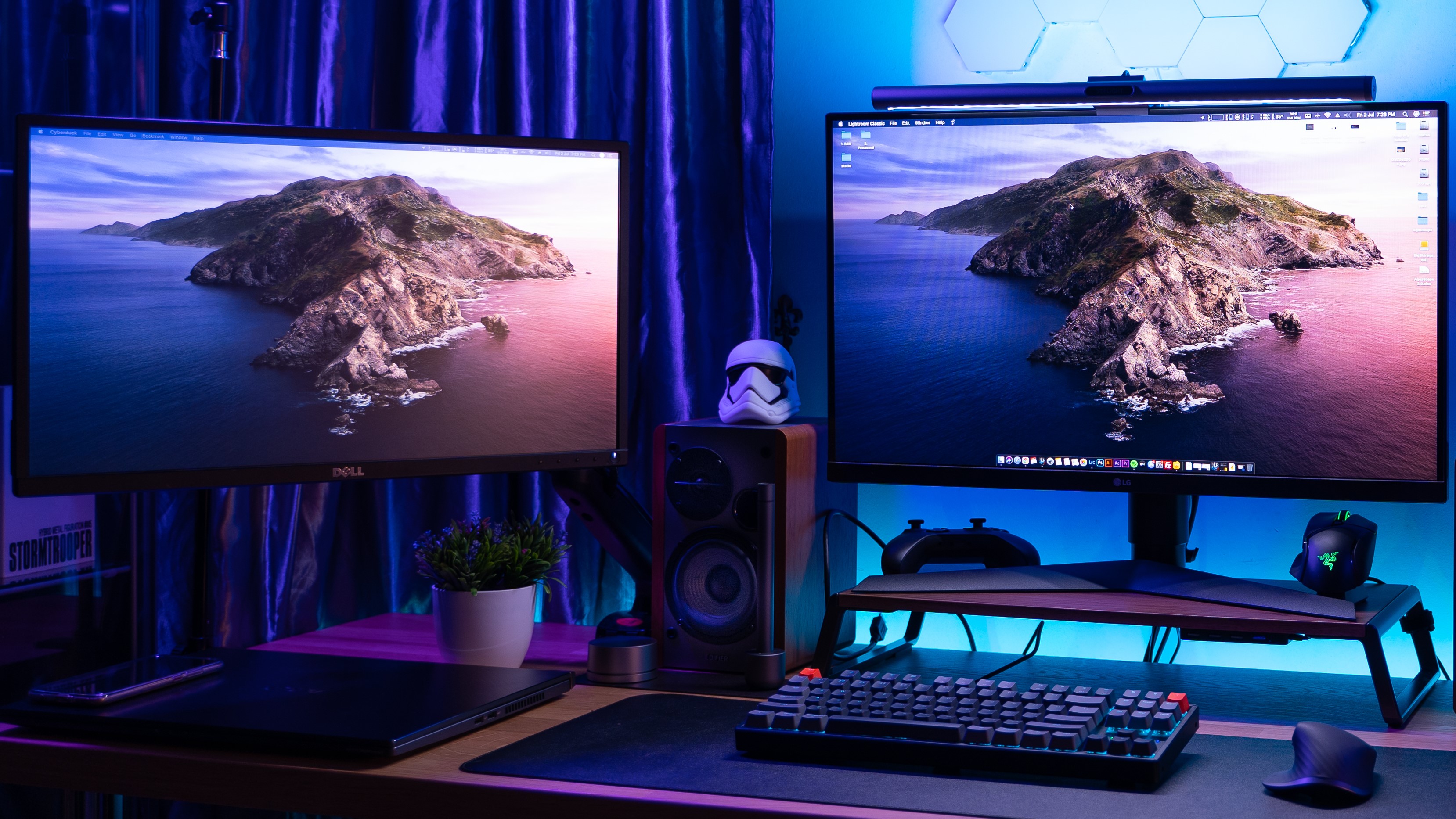
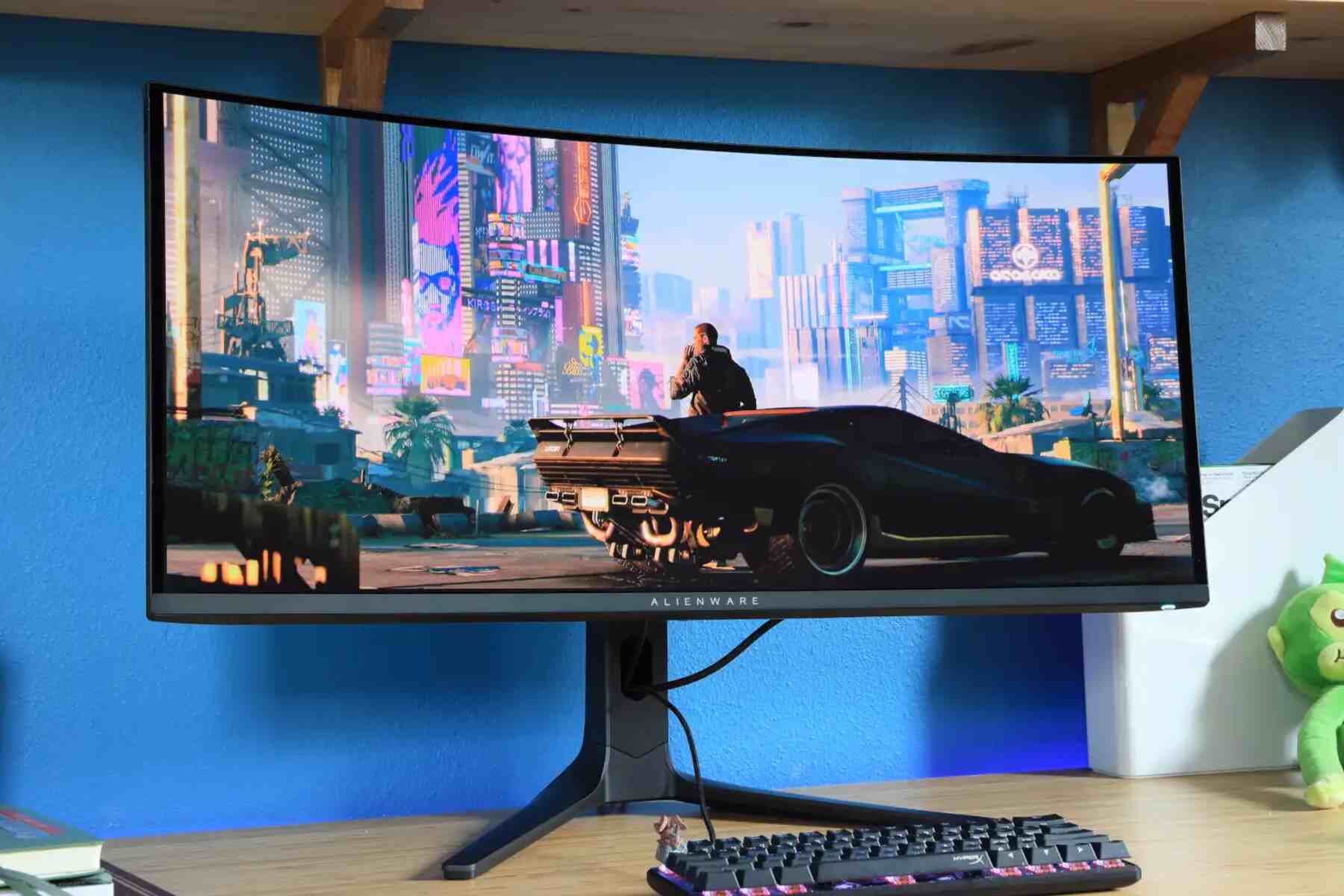


Asus New 5K Gaming Monitor Is So High End It Doesn T Even Officially . LG UltraGear Evo Gaming Monitor Lineup Announced Ahead Of CES 2026 27 . What Is A Good Size For A Gaming Monitor Robots Net What Is A Good Size For A Gaming Monitor 1701869962 . Xiaomi Launches G24i 2026 And G27i 2026 Gaming Monitors In The Xiaomi Launches G24i 2026 And G27i 2026 Gaming Monitors In The Philippines 1024x640 . Xiaomi G24i 2026 G27i 2026 Gaming Monitors Launched Globally Xiaomi Xiaomi Gaming Monitor G24i 2026 G27i 2026 Q2XM0.webp

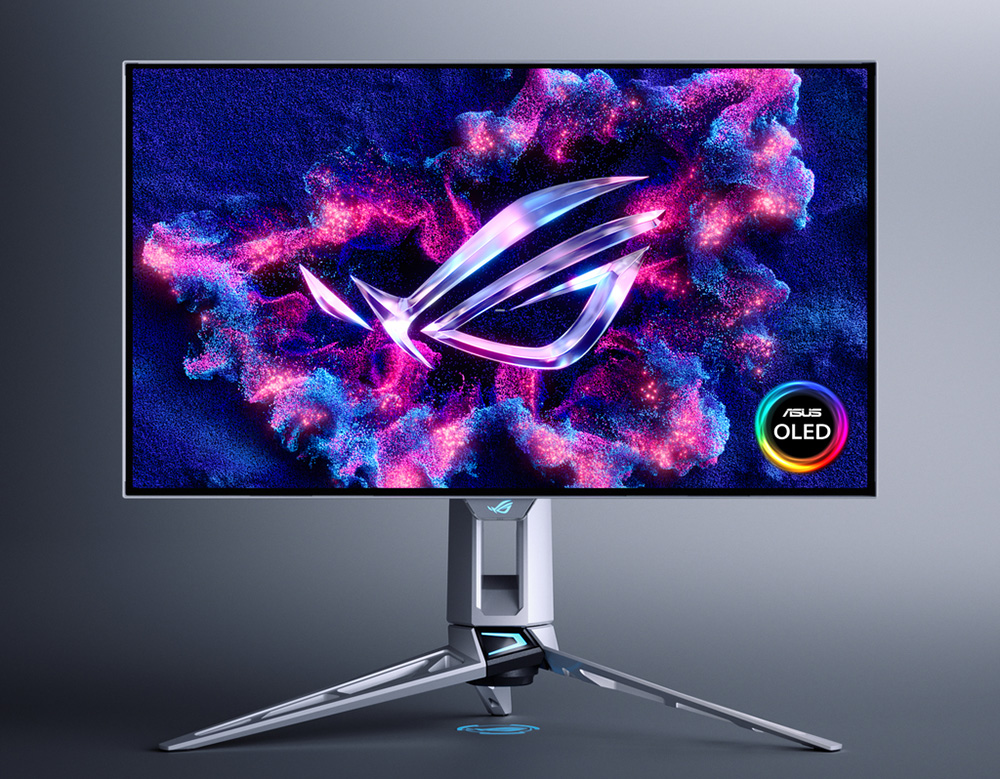

KTC H27T22S Review 2026 Best Budget Gaming Monitor Best HDR Monitors 1024x576 . The Best Recommended Gaming Monitors 2026 TFTCentral ROG Swift OLED PG27AQWP Bottom . Xiaomi G24i 2026 G27i 2026 Gaming Monitors Launched Globally Xiaomi Xiaomi Gaming Monitor G24i 2026 G27i 2026 R65T2 Scaled.webp. AMD Chinese Firm Develop 1000Hz Gaming Monitor 2026 Release World . Best Computer Monitors 2026 Tom S Hardware


The Best OLED Gaming Monitors To Buy In 2026 TFTCentral Best Oled Gaming Monitors Thumbnail 2026 768x432 . Best 20 Inch Monitor Uk Corsair Xeneon 34wqhd240 C Qd Oled 3p76 . AOC AG276QZD2 Review 2026 Cheapest OLED Gaming Monitor Best USB C Gaming Monitors . Best 480Hz Monitor Guide 2026 Eye Wateringly Fast Gaming Displays Best Pulsar Gaming Monitors . KTC H27T22S Review 2025 Best Budget Gaming Monitor Best 24 Inch Monitors


Gaming Monitor Guide 2026 Everything You Need To Know London Daily News Gaming Monitor Guide 2026 Everything You Need To Know11. What Are The Best Computer Screens . Best Ultrawide Monitor 2025 Uk Best Ultrawide Monitors KQZIQ Best Gaming Monitors . Best Curved Ultrawide Gaming Monitor AC . Best Curved Gaming Monitor 2026 Displays I D Grab For Immersive PC


What Is A Good Ms For A Gaming Monitor Robots Net 8 Best Ultrawide Gaming Monitor 144hz 1ms For 2023 1701677329 . ASUS XG27ACDNG Review 2026 Best 1440p 360Hz OLED Best Monitors For FPS Games . Best Gaming Monitors For 2026 Top Picks For PS5 Esports More Best Gaming Monitor 768x512 . Best Gaming Monitors For 2026 Reviews And Bharat Erberbr . Best 4K Gaming Monitors For 2023 Best 4k Gaming Monitor
Authorized Gaming Monitors Price In Nepal 2026 Best Price For Monitors 1536x864 . Amir M Bohlooli GameRant Best 240hz Gaming Monitor In 2024 Game Rant Feature . The Best Gaming Monitors In Australia For 2025 PC Gamer . What Is A Good Hz For A Gaming Monitor Robots Net 11 Amazing 19 Inch Gaming Monitor For 2023 1701600112 . Best 1440p Gaming Monitors 2026 LoadedRig Dell AW2725DF

The Best Cheap Gaming Monitors Of 2023 Popular Science Best Cheap Gaming Monitors Header . Xiaomi Launches 2026 G24i And G27i Gaming Monitors In PH Tech News Xiaomi Gaming Monitors G24i 2026 And G27i 2026 Launch PH 1 . Xiaomi Curved Gaming Monitor G34WQi 2026 Rilis Global Monitor Xiaomi G34WQi 2026 D9ea3e6021 1440x1080 . Best 480Hz Monitor 2026 Buying Guide Display Ninja Best Gaming Monitors Under 100 USD . What Are The Best Computer Screens 27 Inch Monitor 2048px 233796 3x2 1 1