Have you ever pondered if your passion for gaming truly qualifies as a sport? This comprehensive guide explores "why is gaming a sport," delving into the intense skill, strategic depth, and physical demands that define competitive esports. For busy adults balancing work, family, and a love for gaming, understanding its legitimacy as a sport can validate their relaxation and skill-building time. We cover everything from professional training regimens and burgeoning prize pools to the vibrant social communities and the rapid growth of the global esports industry. Discover how gaming fosters cognitive abilities, quick reflexes, and teamwork, positioning it firmly alongside traditional athletic endeavors. Learn about its cultural impact and economic significance, helping you confidently explain why gaming is indeed a powerful, evolving sport in 2026. This resource is packed with insights to optimize your gaming experience, stay current without hype, and appreciate the value of your digital pursuits.
Q: What makes competitive gaming similar to traditional sports?
A: Competitive gaming, or esports, mirrors traditional sports through its demand for highly specialized skills, intricate strategic planning, intense competition, and a professionalized structure with teams, coaches, and large prize pools. Both require immense mental fortitude, quick decision-making under pressure, and dedicated training to achieve peak performance.
Q: Are there physical requirements for professional esports players?
A: Yes, professional esports players face significant physical demands, including the need for exceptional hand-eye coordination, rapid reflexes, and fine motor control. They also manage the physical toll of prolonged intense focus, which can lead to repetitive strain injuries, requiring dedicated physical conditioning and proper ergonomics to maintain career longevity.
Q: How do esports foster teamwork and social interaction?
A: Esports strongly promotes teamwork and social interaction, especially in team-based games where coordinated strategies and communication are vital for victory. Players often form strong bonds with teammates through practice and competition, and wider gaming communities on platforms like Discord provide spaces for social connection, shared interests, and friendly rivalries.
Q: Is the viewership for esports comparable to traditional sports?
A: Absolutely. Esports viewership has grown exponentially, with major tournaments regularly attracting millions of viewers globally across streaming platforms and even traditional sports networks. This massive audience engagement, particularly among Gen Z and Millennials, often rivals and sometimes surpasses that of established traditional sports events, highlighting its broad appeal.
Q: What role does strategy play in competitive video games?
A: Strategy is a foundational element in competitive video games, dictating every aspect from character selection and in-game resource management to map control and team composition. Top players spend countless hours developing and refining complex strategies, anticipating opponents' moves, and adapting tactics in real-time, much like a coach devises game plans in traditional sports.
Q: Can gaming provide career opportunities beyond playing?
A: Yes, the booming esports industry offers a wide array of career opportunities beyond just professional playing. These include roles as coaches, analysts, commentators, event organizers, marketing specialists, content creators, game developers, journalists, and even physical therapists or sports psychologists specializing in esports athletes, making it a robust economic sector.
Q: Why is there still debate about gaming being a sport?
A: The debate persists largely due to traditional definitions of "sport" emphasizing physical exertion. However, as the world evolves, and understanding of cognitive, strategic, and fine motor skills as forms of athletic prowess grows, this perspective is shifting. The professionalization and global scale of esports increasingly challenge and broaden these conventional views.
Ever found yourself unwinding with a few rounds of your favorite game after a long day, only to have someone scoff at the idea of gaming being a "real sport"? If you're like many busy US gamers around age 36, juggling a job, family, and life, your gaming time is precious. It's not just about relaxation; it's about skill-building, social connection, and a unique form of competitive fun. So, when the legitimacy of gaming as a sport comes into question, it can feel like your passion is being dismissed. But let's set the record straight: the debate around "why is gaming a sport" isn't just valid, it's increasingly undeniable. With over 87% of US gamers engaging regularly, often for 10+ hours a week, and a huge trend toward social and mobile gaming, the landscape has changed. This article is your guide to understanding why gaming unequivocally deserves its place in the world of sports, helping you advocate for your hobby with confidence and even optimize your own gaming experience.
We'll dive deep into the strategic depth, mental fortitude, and sheer skill required to excel in esports. Forget the stereotypes; we're talking about a global phenomenon that demands peak performance, precision, and dedication. Whether you're a casual player looking to improve, a budget-conscious gamer eyeing a hardware upgrade, or simply curious about the modern gaming scene, you'll find practical insights here. Let's explore the compelling reasons why gaming is a sport, addressing common questions and debunking myths along the way.
Is Gaming Really a Sport Like Traditional Athletics?
Yes, in many crucial aspects, gaming, particularly competitive esports, mirrors traditional athletics. While the physical exertion differs, the core elements of competition, skill, strategy, and mental endurance are strikingly similar. Think about chess or archery, often recognized as sports; they emphasize mental acuity and precision over brute strength. Esports titles like League of Legends, Valorant, or Call of Duty demand rapid decision-making, intricate team coordination, and fine motor skills under immense pressure. The mental demands are enormous, requiring split-second reactions, strategic foresight, and the ability to adapt to dynamic situations.
Furthermore, the infrastructure surrounding professional esports includes organized leagues, professional teams, coaches, rigorous training schedules, and substantial prize pools. This structure is a hallmark of recognized sports. Recent data from 2026 shows continued growth in esports viewership, often rivaling traditional sports events among younger demographics, reinforcing its status as a legitimate competitive endeavor.
What Skills Are Needed to Excel in Esports?
Excelling in esports requires a diverse and demanding skill set. It's far more than just quick reflexes. Top players demonstrate exceptional hand-eye coordination, often performing hundreds of actions per minute (APM). Strategic thinking is paramount; players must anticipate opponents' moves, manage resources, and execute complex tactical plans. Problem-solving skills are constantly tested in ever-evolving game states. Beyond individual prowess, effective communication and teamwork are critical, especially in team-based games where synergy can make or break a match. Many adult gamers find that these skills, honed in digital arenas, actually translate to improved focus and problem-solving in their professional and personal lives.
How Do Esports Compare to Physical Sports in Terms of Competition?
The competitive nature of esports is incredibly intense, paralleling the highest levels of traditional sports. The stakes are high, with players competing for significant prize money and titles on global stages. The pressure to perform under live broadcast conditions, often in front of thousands of in-person spectators and millions online, is immense. Every decision and action is scrutinized. Just like in football or basketball, esports matches feature intricate strategies, counter-strategies, and moments of incredible individual brilliance or synchronized team play. The emotional highs and lows, the rivalries, and the dedication required to reach the pinnacle are universal across all forms of competitive sport.
Do Professional Gamers Train Like Athletes?
Absolutely. The training regimens of professional gamers are surprisingly rigorous and comprehensive, resembling those of traditional athletes. This isn't just about playing games all day. Pro players often dedicate 8-12 hours daily to practice, which includes reviewing replays, analyzing opponents, scrimmaging against other top teams, and working with coaches on strategy and individual mechanics. Many teams integrate physical fitness, nutrition plans, and mental conditioning with sports psychologists to ensure peak performance and prevent burnout. This holistic approach is essential for maintaining the focus, stamina, and mental resilience needed for extended competitive seasons and high-stakes tournaments.
What Are the Physical and Mental Demands of Competitive Gaming?
While esports might not involve running a marathon, the physical and mental demands are significant. Physically, players can suffer from repetitive strain injuries (RSI) in their hands and wrists, eye strain, and back problems due to prolonged periods of intense focus and rapid movements. Many pro teams employ physical therapists. Mentally, the pressure is immense. Players must maintain composure under stress, make split-second decisions with significant consequences, and manage fatigue during long tournaments. The constant need for strategic thinking, quick adaptation, and emotional control places a heavy burden on cognitive functions, similar to what a quarterback or point guard experiences.
How Has the Esports Industry Grown and Gained Legitimacy?
The esports industry has exploded into a multi-billion-dollar global phenomenon. This month, trends continue to show massive investment from major companies, media coverage on mainstream sports networks, and dedicated esports arenas. Universities are offering scholarships, and governing bodies are establishing rules and regulations to ensure fair play and player welfare. The sheer size of viewership, with major tournaments drawing millions of concurrent viewers online, confirms its widespread appeal and cultural impact. For busy adult gamers, this growth means more sophisticated games, better competitive opportunities, and a greater public acceptance of gaming as a serious pursuit, making it easier to balance their passion with life's other demands.
Can Gaming Be a Social Activity or Is It Isolation?
Gaming is overwhelmingly a social activity, especially in 2026. While single-player experiences exist, a huge portion of the US gaming population engages in multiplayer games. Modern trends emphasize cross-play across mobile, PC, and console, making it easier than ever to connect with friends and family. Platforms like Discord are central to gaming communities, fostering camaraderie, competition, and shared experiences. For adults, gaming can be a fantastic way to unwind with friends, build new connections, or even bond with family members over shared virtual adventures. It offers stress relief and a sense of belonging, directly addressing the pain point of finding time for social interaction in busy schedules.
Why Should Busy Adults Care About Gaming as a Sport?
For busy adults, understanding "why is gaming a sport" offers several benefits. Firstly, it validates your hobby. Recognizing the skill and dedication involved can boost your confidence in pursuing gaming as a legitimate form of recreation and intellectual challenge. Secondly, it helps contextualize the growing cultural phenomenon around you, from popular streamers to major esports events. Thirdly, if you have children, understanding esports can help bridge generational gaps and appreciate their interests. Lastly, the emphasis on skill, strategy, and quick thinking in competitive gaming can sharpen your own cognitive abilities, making your relaxation time genuinely productive.
What About the Financial Aspect: Prize Pools and Sponsorships?
The financial side of esports is staggering, cementing its status as a professional sport. Major tournaments regularly offer prize pools reaching millions of dollars, attracting top talent globally. Beyond prize money, professional players secure lucrative salaries, endorsement deals, and sponsorships from major brands, comparable to traditional athletes. This economic ecosystem supports full-time careers for players, coaches, analysts, and content creators, demonstrating the serious financial investment and commercial viability of the industry. This value for money aspect extends to free-to-play games that still offer competitive pathways, providing accessible entry points for aspiring gamers.
Is Mobile Gaming a True Form of Esports Too?
Absolutely, mobile gaming is a rapidly growing and integral part of the esports landscape. With mobile dominance globally, especially in the US, games like Call of Duty Mobile, PUBG Mobile, and League of Legends: Wild Rift host massive competitive leagues with significant prize pools and professional teams. The precision, strategy, and quick reflexes required on mobile platforms are just as intense as on PC or console, often demanding even finer motor control due to smaller screens and touch controls. Mobile esports has democratized access to competitive gaming, allowing millions more to participate and view, further solidifying gaming's status as a sport for everyone, even those playing on a budget.
What Does the Future Hold for Gaming as a Sport?
The future of gaming as a sport looks incredibly bright and innovative. We'll likely see continued integration with emerging technologies like VR and AR, offering new ways to play and spectate. Cross-platform play will become even more seamless, uniting gamers across all devices. The professionalization of esports will deepen, with more structured player unions, better welfare programs, and expanded educational pathways. Expect more mainstream media attention, larger sponsorship deals, and even greater acceptance in educational and sporting institutions. The blend of social gaming, competitive play, and technological advancement ensures that gaming's position as a dynamic and engaging sport is here to stay, offering endless opportunities for fun, skill, and community.
Ultimately, "why is gaming a sport" boils down to its undeniable adherence to core principles of competition, skill, strategy, and structured play, all set within a rapidly professionalizing industry. For busy adults, gaming offers not just escape, but genuine skill development and social connection. It's time to embrace gaming for what it is: a dynamic, evolving, and legitimate sport. What's your biggest gaming challenge when balancing it with life? Comment below and let's discuss!
FAQ Section
Is gaming recognized by Olympic committees? While not yet an Olympic sport, the International Olympic Committee (IOC) has acknowledged esports' potential and held discussions, indicating growing recognition. However, challenges like game selection and commercial interests remain to be fully addressed for full inclusion.
Are there physical benefits to gaming? While not a substitute for traditional exercise, some studies suggest gaming can improve fine motor skills, reaction time, and hand-eye coordination. Competitive esports can also demand physical conditioning to maintain stamina and prevent injuries.
Do gamers make money? Yes, professional gamers earn money through salaries, tournament prize winnings, streaming revenue, sponsorships, and endorsements, with top players and teams earning millions annually. Many content creators also monetize their gaming through platforms like Twitch and YouTube.
What is the average age of an esports player? While many competitive esports players are in their late teens to early twenties, the average age of gamers overall is closer to 36, meaning older players are also highly active and competitive in various titles and casual leagues. Experience and strategic depth can sometimes outweigh raw speed.
Can I start gaming competitively later in life? Absolutely. While starting young can be an advantage, many adults find success in competitive gaming, especially in titles that emphasize strategy and teamwork over pure twitch reflexes. Online communities and casual leagues offer accessible entry points for all ages and skill levels.
How can I balance competitive gaming with my job and family? Balancing gaming with life is key for many adult players. Effective time management, setting clear boundaries with family, choosing games that fit your schedule (like shorter mobile matches or specific PC/console sessions), and communicating your passion to loved ones are crucial strategies. Many gamers find gaming a healthy stress reliever when managed responsibly.
Esports demands high cognitive skill, strategic thinking, and precise motor control; Professional gamers undergo rigorous training comparable to traditional athletes; The industry boasts significant prize pools and global viewership, legitimizing competitive gaming; Gaming offers social benefits and community building, akin to team sports; Physical and mental resilience are critical for top-tier esports performance; Gaming is evolving with mobile dominance and cross-platform play, solidifying its sports status.
33


10 Much Awaited Games Set To Launch In 2026 Games To Launch 2026 1024x645 . Upcoming Esports Tournaments In 2026 We Gamers Club Google AI Studio 2025 11 21T18 25 17.374Z 1024x559 . Upcoming Esports Tournaments In 2026 We Gamers Club Google AI Studio 2025 11 21T18 25 09.047Z 1536x838 . Upcoming Esports Tournaments In 2026 We Gamers Club E.237Z Scaled . 20 Most Anticipated Video Games Of 2026 Page 18 1200x675

Top 15 Sports Games Of 2026 Allkeyshop Com Top15 TH 2026 Sports EN 1 1024x575 . Top Gaming Trends Of 2026 TREND . Video Games 2026 Key Trends Shaping The Future Of Play Mavigadget Blog . THE NEW STANDARD FOR SPORTS GAMING 2026 S BEST TITLES The Masco Screenshot 2025 12 01 At 8.44.34 AM . The Most Anticipated Games Of 2026 That Gamers Can T Wait For ZCr Dito 20250822 Most Anticipated Games Of 2026
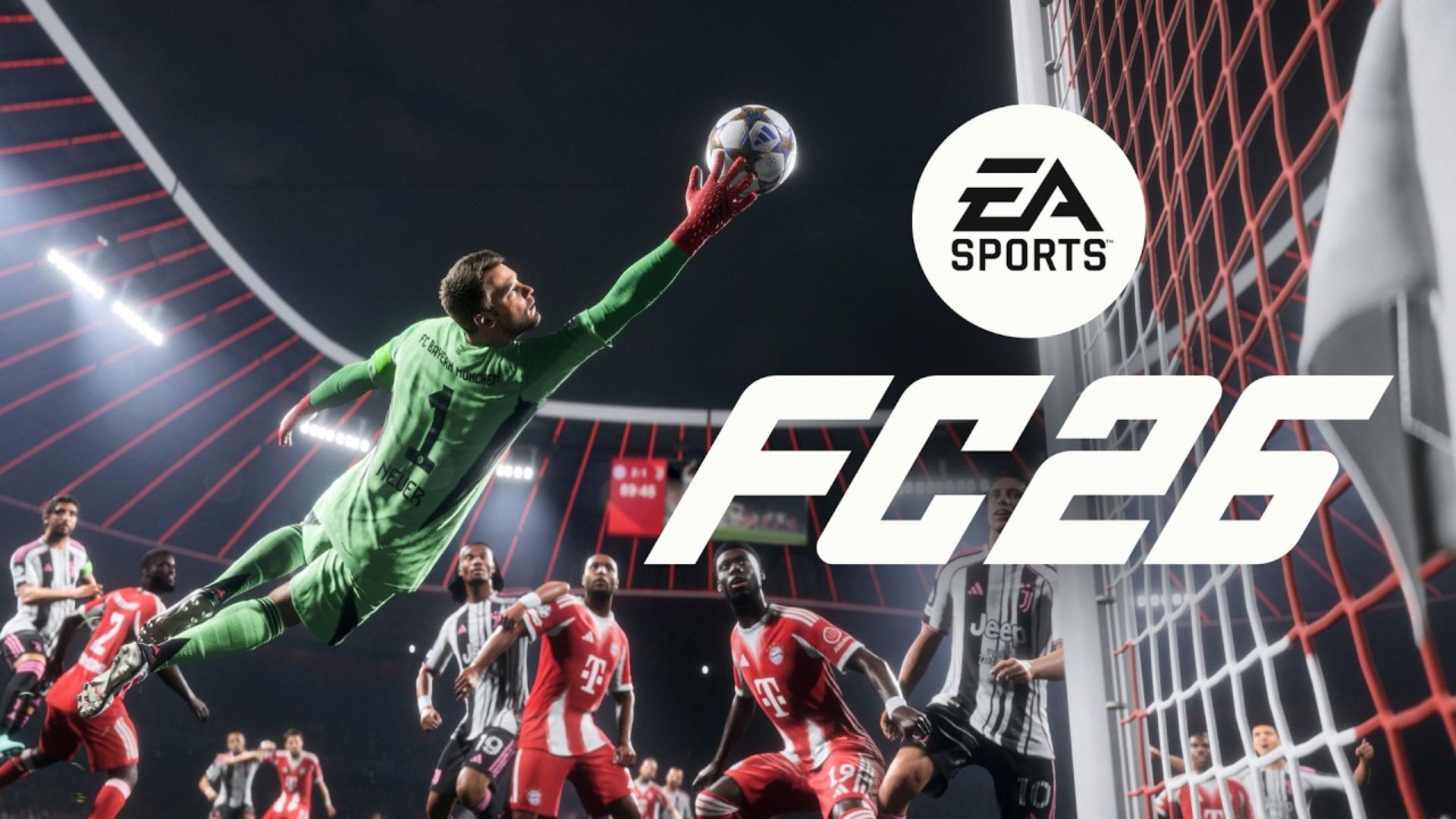

Best Gaming Headsets For E Sports And Competitive Play In Early 2026 Best Gaming Headsets For Esports In 2026 . Top Esports Teams 2026 Rankings Futures Au Gaming Arena Cad40b793e 50165216 Jeux Video1 1536x960 . EA Sports FC 26 Todo Lo Que Sabemos Gaming Net Your Paragraph Text 2025 07 . Why Asian Games 2026 Japan Is India S Biggest Sporting Shot Indias Sporting Shot At 2026 Games 1024x683 . Esports World Cup 2026 Confirms The Return Of 20 Games Image

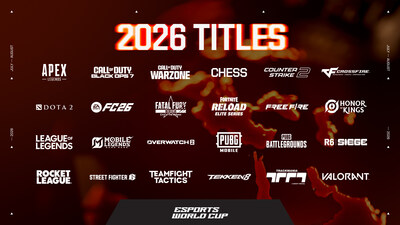

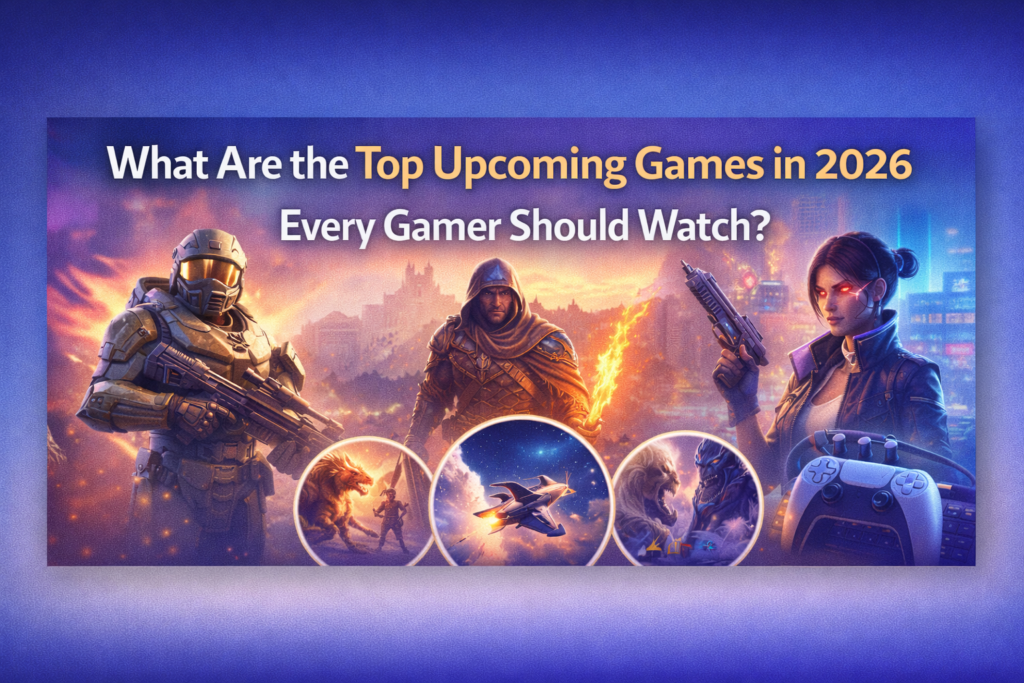
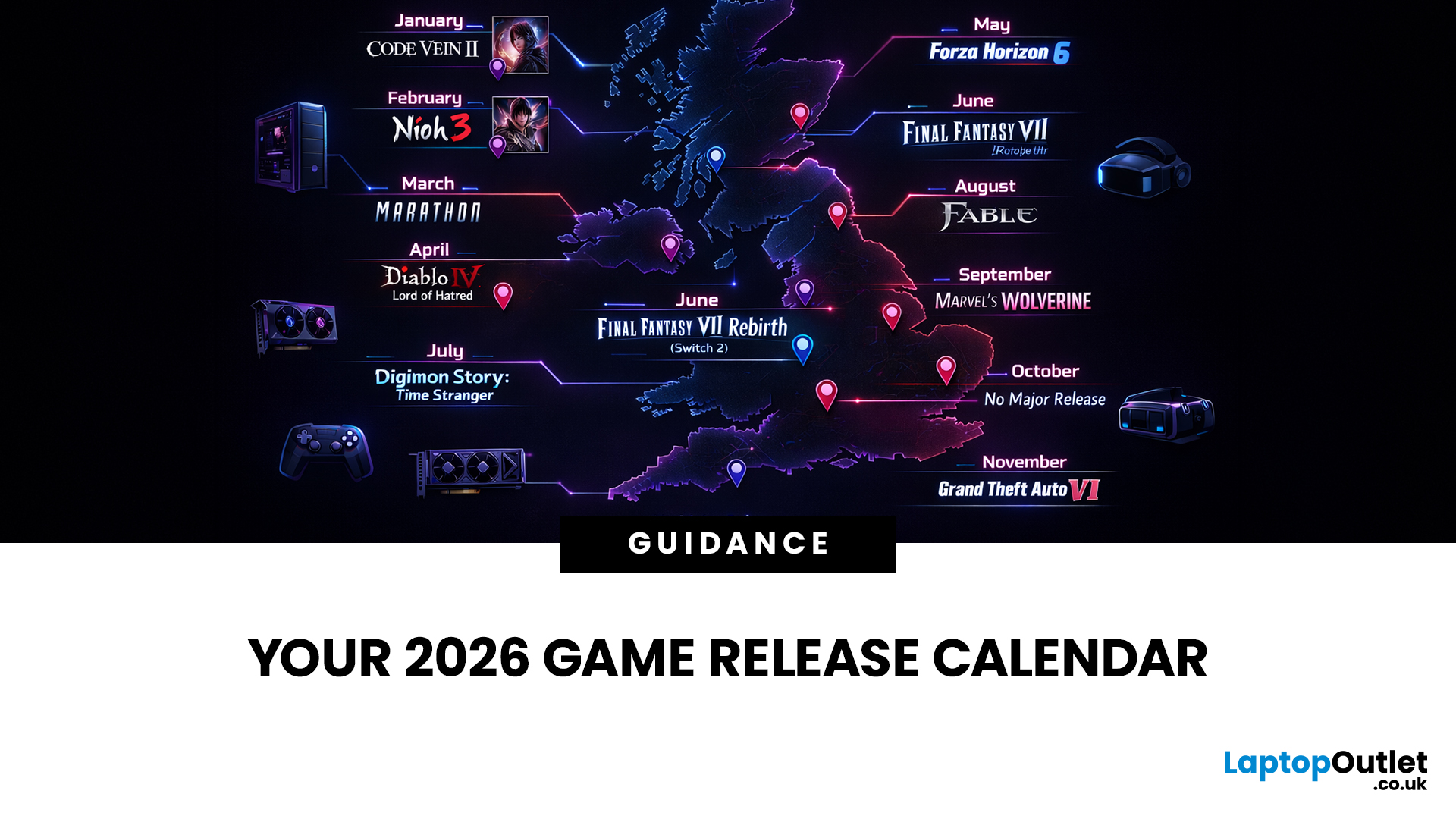
Top 10 Most Anticipated Games Of 2026 What To Watch Out For TVN GAMES IN 2026 . 75 Million Prize Pool Full Game Lineup And Schedule Announced For Esports World Cup Foundation 2026 Titles . Panam Sports SPORTS CALENDAR WHAT S COMING UP IN 2026 FOR PAN AMERICAN 2026 Scaled . What Are The Top Upcoming Games In 2026 Every Gamer Should Watch Game 1024x683 . Upcoming Xbox Games In 2026 What To Play Next Year Game Releases Full Calendar Release Dates Main
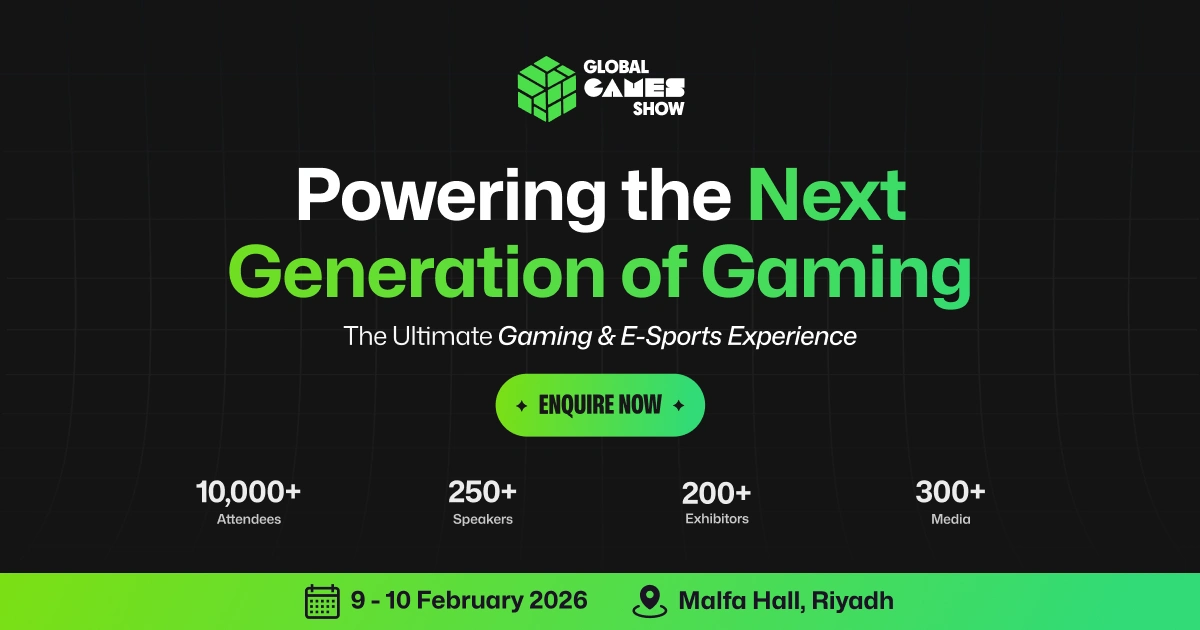




Top Gaming Esports Events To Attend In 2025 2026 Global Games Show Riyadh Og.webp. Top Upcoming Games Of 2026 You Shouldn T Miss Gamersshub Top Games 2026 Gghub . 10 Gaming Events You Should Know About In 2026 Gaming Net 10 Gaming Events You Should Know About In 2026 11 1536x864 . Why 2026 Could Redefine Global Sport. Info About The 2026 Olympics Winter Olympic 2026
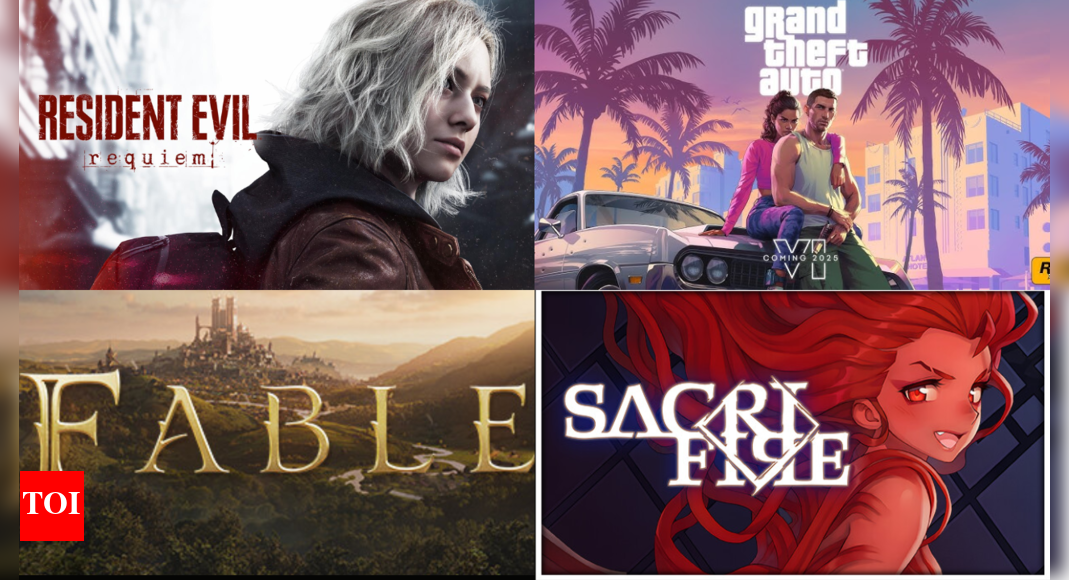


5 Reasons Why 2026 Will Be The Greatest Year In Gaming History Photo . Biggest Events In 2026 That Will Transform And Inspire Pop Whats Coming In 2026 . 2026 Winter Olympics Sports List All 16 Disciplines New Events Explained 2026 Winter Olympics Sports . Why Gaming Should Be A Sport The Rise Of Competitive Why Gaming Should Be A Sport . Glasgow 2026 Sports Revealed Glasgow 2026 CGA V3 Launch Graphic 1920x1080px


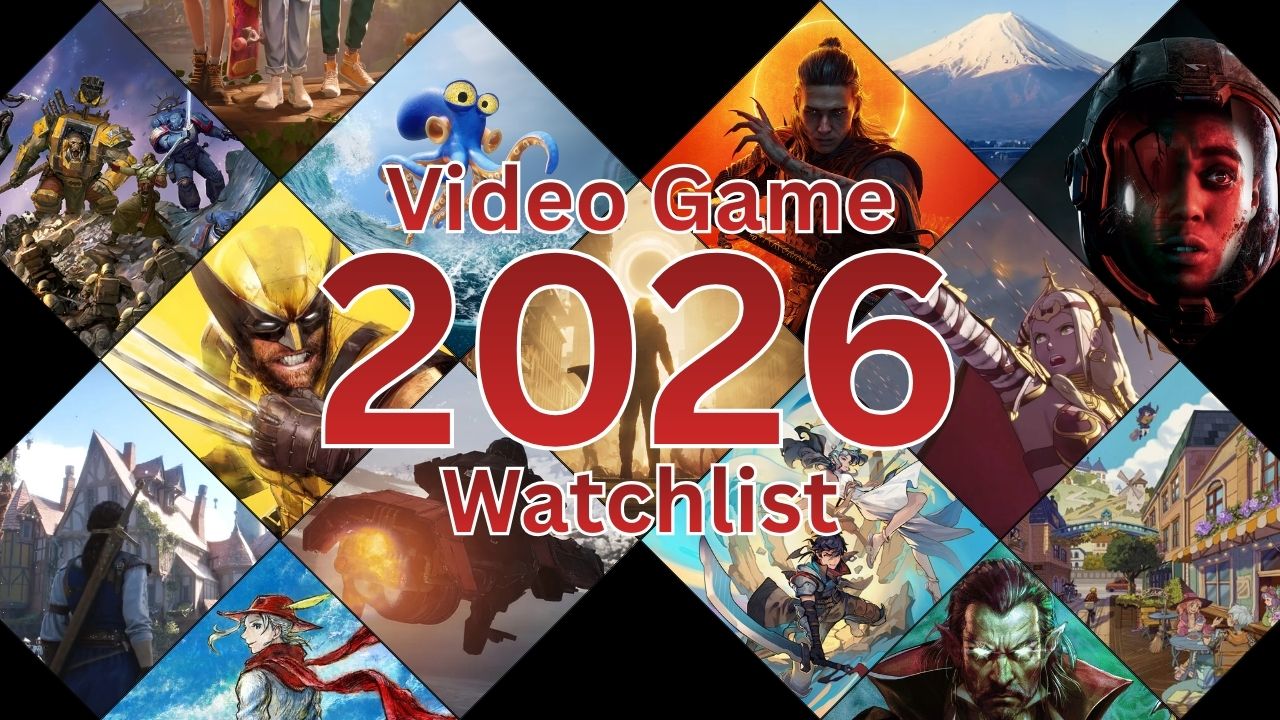
NHL 2026 Insider Gaming NHL 2026 . The Team S Gaming Goals Of 2026 Nerdy Culture . Video Games 2026 Ones To Watch Part 2 Quest Daily 2026 Games Pt 2