Unlock the secrets to identifying what is the fastest pc processor for an unparalleled gaming experience in 2026 This in-depth guide cuts through the technical jargon and marketing hype to reveal the CPUs that deliver peak performance for modern games Discover how to balance raw speed with efficiency and cost ensuring your gaming setup is both powerful and practical We explore the latest breakthroughs from Intel and AMD delve into core counts clock speeds and cache sizes that truly matter for gamers Learn about optimal processor choices for competitive esports immersive single player titles and even for balancing gaming with streaming or content creation Whether you are upgrading an existing rig or building a new one this article provides all the essential information to make an informed decision helping you achieve buttery smooth framerates and eliminate bottlenecks for maximum gaming enjoyment
What is the absolute fastest PC processor for gaming right now?
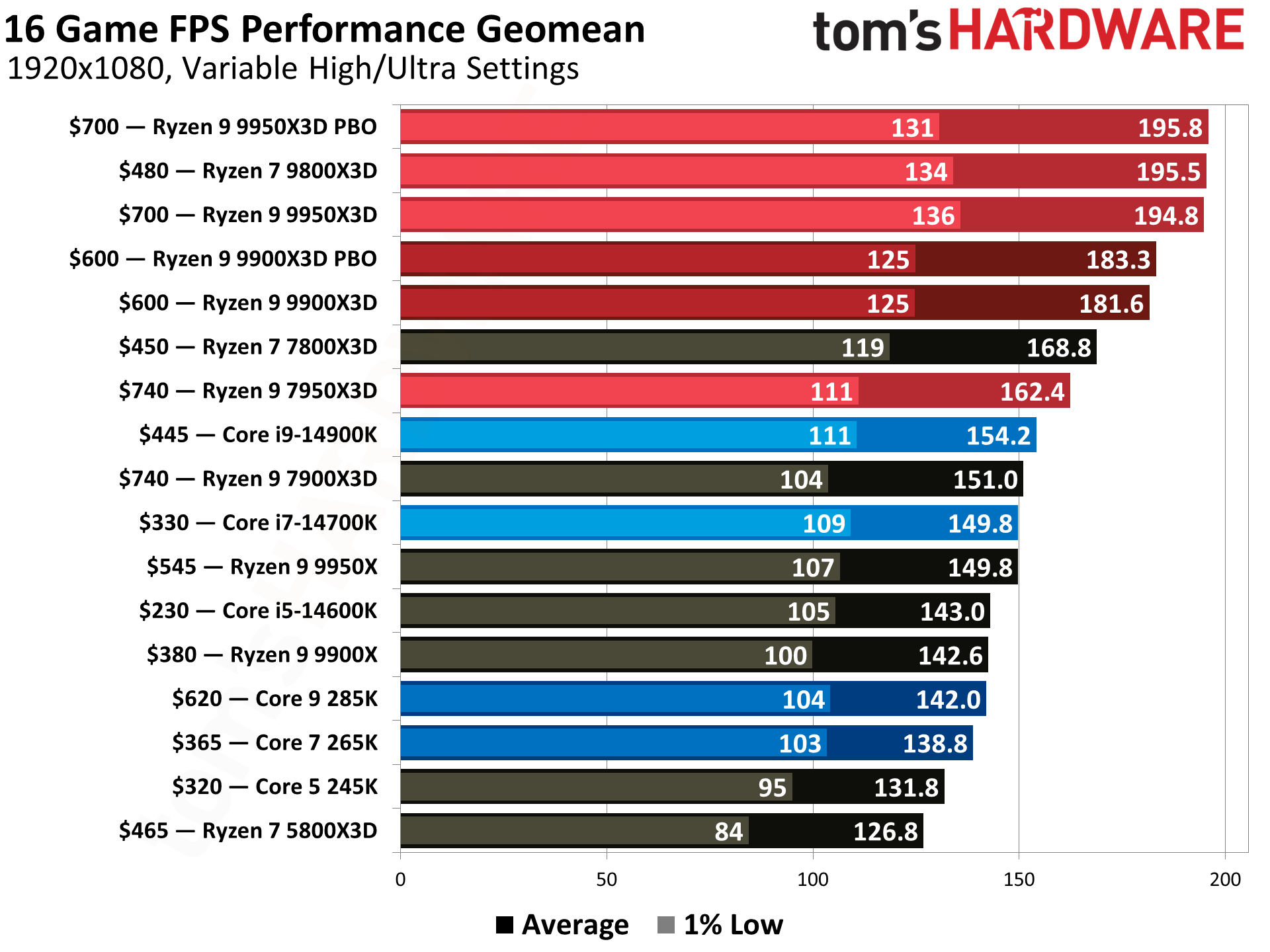
In early 2026, the AMD Ryzen 7 7800X3D often holds the crown for pure gaming performance due to its innovative 3D V-Cache technology. This larger L3 cache allows games to access data much faster, leading to superior framerates in many titles. Intel's latest Core i9-14900K also offers phenomenal speed, particularly in well-threaded games and overall system tasks, but the 7800X3D typically maintains a slight edge in raw gaming benchmarks.
Why do some processors with lower clock speeds outperform others with higher clock speeds in games?
Gaming performance isn't solely about clock speed. The architecture of the CPU, the size and speed of its cache, and its efficiency in processing instructions per cycle (IPC) play a massive role. Processors with larger L3 cache, like AMD's X3D chips, can keep more game data readily available, reducing latency even if their peak clock speed is slightly lower than a competitor with less optimized cache or an older architecture.
How much does the motherboard affect what is the fastest PC processor performance?
The motherboard is crucial as it acts as the central nervous system for your PC. A high-quality motherboard with robust power delivery (VRMs) is essential for supporting the fastest PC processors, allowing them to maintain peak boost clocks without throttling. It also determines compatible RAM speeds, PCIe generation (for GPUs and NVMe SSDs), and connectivity options, all of which impact overall system performance and stability with a fast CPU.
Is it worth buying the absolute fastest processor if I have a mid-range graphics card?
Generally, no. Investing in the absolute fastest PC processor while having a mid-range graphics card can lead to a significant GPU bottleneck, meaning your powerful CPU will be waiting on your GPU to render frames. It's more effective to aim for a balanced system. A slightly less expensive, yet still very fast, CPU paired with a higher-tier GPU will almost always deliver a better gaming experience and higher framerates.
What are the main differences between Intel's and AMD's top gaming processors in 2026?
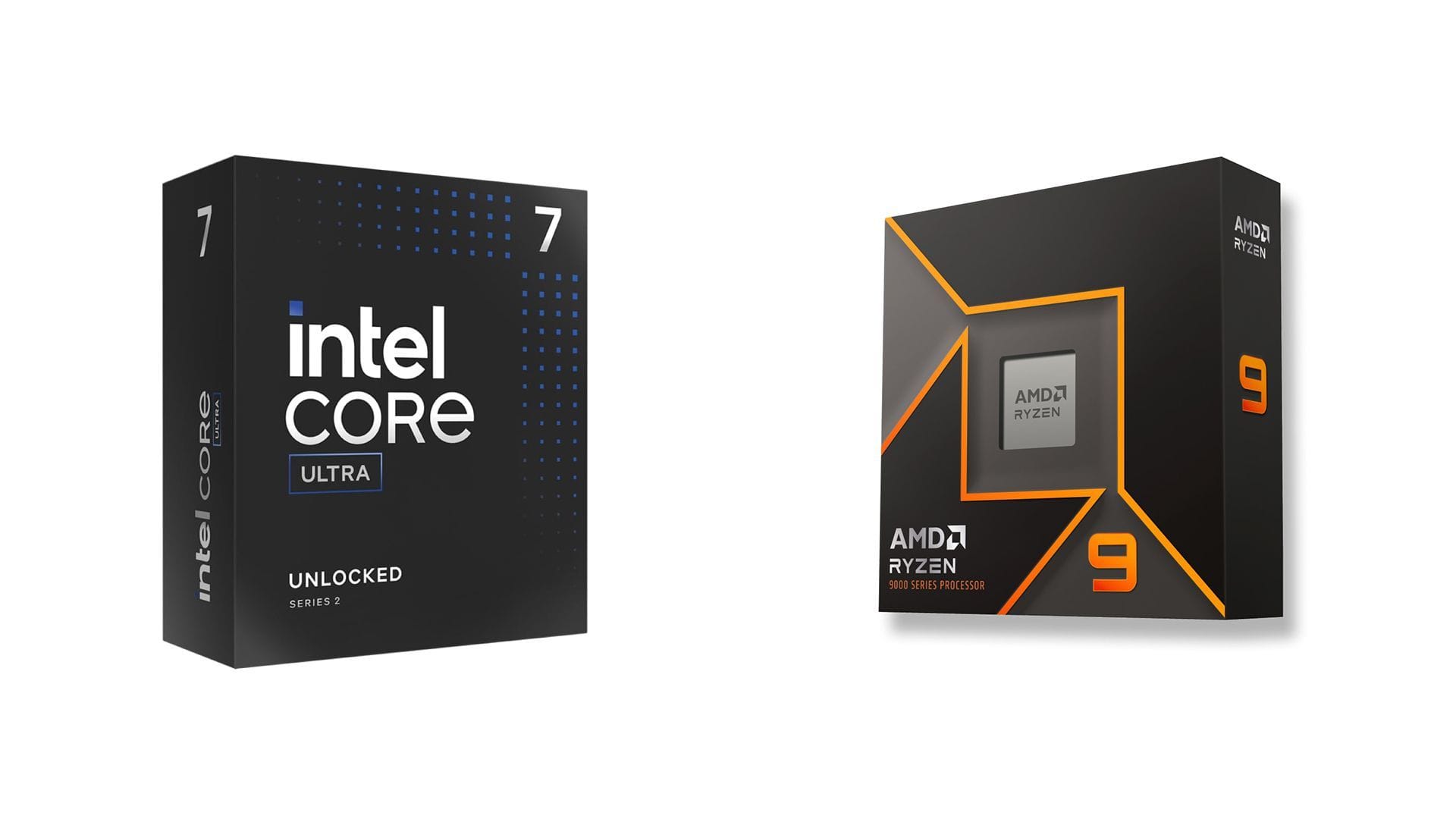
In 2026, Intel's top chips typically boast higher clock speeds and a hybrid P-core/E-core architecture, excelling in both gaming and heavy multi-threaded productivity. AMD's top gaming processors, especially the X3D series, leverage 3D V-Cache for an unparalleled L3 cache size, giving them a distinct advantage in many gaming benchmarks. The choice often comes down to pure gaming focus (AMD X3D) versus balanced performance for gaming and content creation (Intel).
Will upcoming games in 2026 and beyond utilize more CPU cores, making higher core counts more important?
Yes, the trend for game development is towards better multi-core utilization. While many current games still favor high single-core performance, newer titles and engines are increasingly optimized to leverage more CPU cores. Investing in a processor with 6-8 strong cores is a good balance for early 2026, offering both current performance and a degree of future-proofing for upcoming, more CPU-intensive releases.
How important is cooling for maintaining the speed of the fastest PC processors?
Cooling is extremely important for the fastest PC processors. These high-performance chips generate significant heat, and inadequate cooling will cause them to 'throttle' or reduce their clock speeds to prevent overheating. This directly impacts gaming performance, leading to lower framerates and inconsistent experiences. A robust air cooler or a liquid AIO cooler is essential to ensure your fast CPU can maintain its boost clocks and deliver consistent maximum performance.
Are you a dedicated gamer, someone who meticulously balances raid times with family dinners, and job deadlines with leveling up your character? You are not alone. With 87% of US gamers regularly diving into virtual worlds, often spending 10+ hours a week, the quest for the ultimate gaming experience is real. We all want that buttery-smooth framerate, lightning-fast load times, and zero performance hiccups, especially when coordinating with friends on Discord or unwinding after a long day. But wading through the endless specs and marketing hype to figure out what is the fastest PC processor can feel like a boss battle in itself. This guide is your ultimate weapon, designed to help you, the busy adult gamer, cut through the noise and pinpoint the CPU that will elevate your play without breaking the bank or demanding a degree in computer engineering.
We get it. You need performance that justifies the investment, reliable hardware that just works, and advice that respects your limited time. This article isn't about hype; it's about practical solutions for common gamer pain points, from performance issues to smart upgrade paths. We'll explore exactly what makes a processor fast, which ones are currently leading the pack in early 2026, and how to choose the right one for *your* specific gaming and life balance, making sure you stay current without falling for every new gadget trend.
What Defines the Fastest PC Processor for Gaming?
When you hear 'fastest PC processor,' your mind might jump straight to the highest clock speed or core count. However, for gaming, it's a bit more nuanced. The speed of a processor is a complex interplay of several factors: single-core performance, clock speed, cache size, core architecture, and how efficiently it communicates with other components like your graphics card and RAM. For most modern games, high single-core performance and a large, fast cache are often more critical than an extremely high core count, as many game engines still prioritize a few strong cores.
Think of it like this: a high core count is great for multitasking or heavy content creation, but gaming often relies on how quickly a few key tasks can be processed sequentially. A processor like AMD's Ryzen 7 7800X3D or Intel's Core i7-14700K might have slightly fewer cores than their top-tier siblings, but their optimized architecture and larger L3 cache often give them an edge in pure gaming performance. This focus on gaming-specific optimizations means benchmarks tell a far more complete story than raw spec sheets.
Are More Cores Always Better for Gaming Performance?
Not necessarily, and this is a common misconception that can lead to overspending. While having a decent number of cores (typically 6-8 physical cores) is beneficial for multitasking, streaming while gaming, or future-proofing, simply having *more* cores beyond that point doesn't linearly translate to better gaming performance. Many games, even in early 2026, still don't fully utilize every single core available in a high-end CPU like a 24-core i9 or 16-core Ryzen 9.
For the average gamer who balances work and play, a CPU with 6-8 high-performance cores offers an excellent sweet spot. Processors like the Intel Core i5 or AMD Ryzen 5/7 series often deliver phenomenal gaming value without the premium price tag of their higher-core siblings. Focus on strong single-core performance and sufficient cache over an excessive core count, especially if your primary use is gaming.
How Do AMD and Intel Processors Compare in Early 2026?
In early 2026, both AMD and Intel continue their fierce competition, offering compelling options for gamers. AMD, particularly with its X3D series (e.g., Ryzen 7 7800X3D, Ryzen 9 7950X3D), leverages its innovative 3D V-Cache technology to provide exceptionally large L3 cache, giving them a significant edge in many game titles due to faster data access. These CPUs often lead in raw gaming benchmarks.
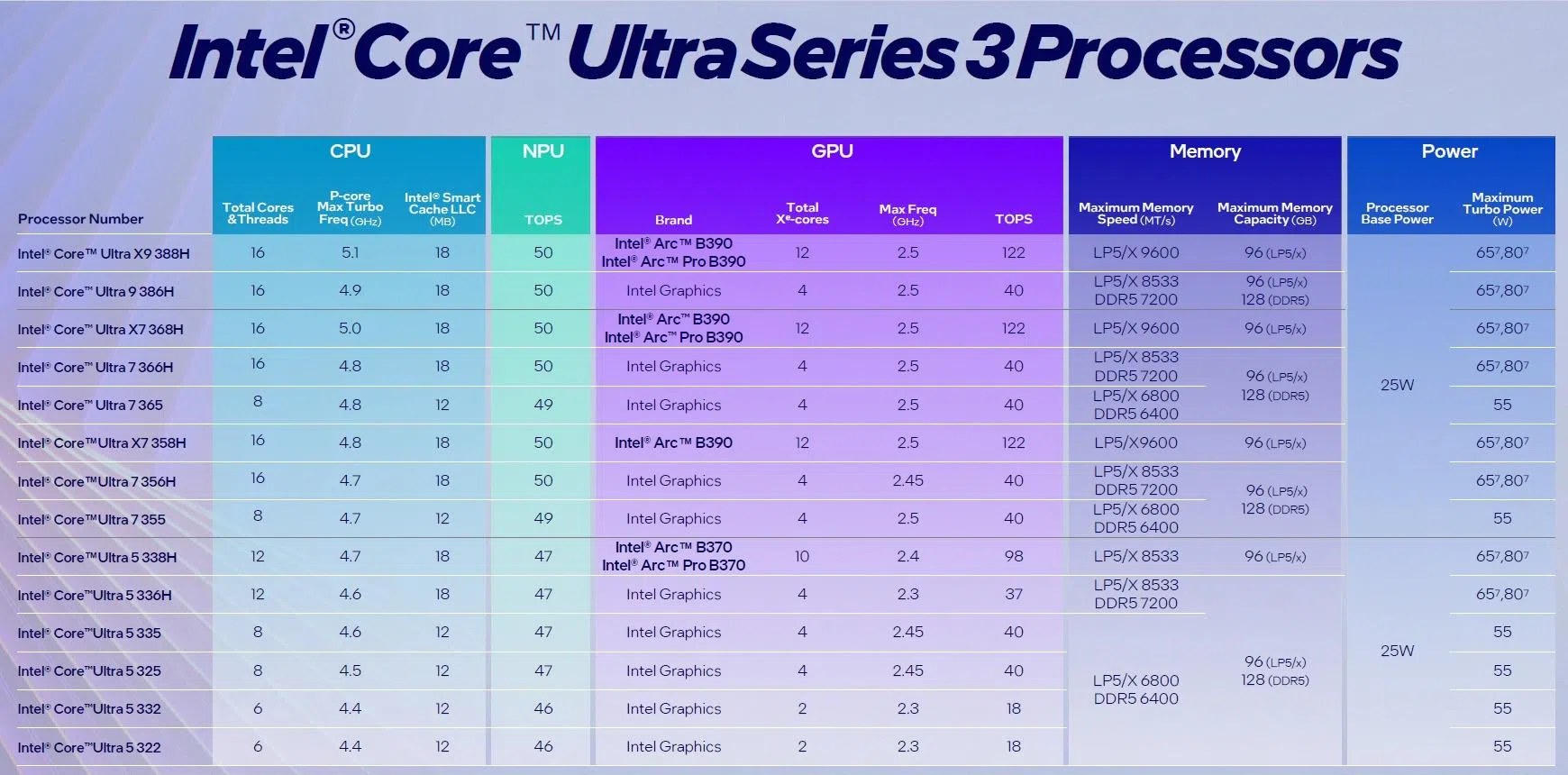
Intel's latest K-series processors (e.g., Core i7-14700K, Core i9-14900K) counter with incredibly high clock speeds and a hybrid architecture featuring a mix of Performance-cores (P-cores) and Efficient-cores (E-cores). This design excels in overall system responsiveness and multi-threaded tasks, while still delivering strong gaming performance. For gamers who also do heavy productivity work or streaming, Intel offers a compelling, well-rounded package. The choice often comes down to pure gaming focus (AMD X3D) versus a balance of gaming and all-around productivity (Intel K-series).
What Role Does Cache Play in Gaming Processor Speed?
Processor cache is like a super-fast, small memory bank located directly on the CPU. It stores frequently accessed data, so the CPU doesn't have to wait for slower system RAM. For gaming, a larger and faster L3 cache (Level 3 cache) can significantly boost performance. When a game needs to access data, and that data is already in the cache, the CPU gets it almost instantly, leading to fewer stalls and smoother framerates.
AMD's X3D processors, with their stacked 3D V-Cache, are a prime example of how crucial cache is for gaming. By dramatically increasing the L3 cache size, these CPUs can keep more game-related instructions and data close by, reducing latency and often outperforming chips with higher clock speeds but smaller caches in gaming scenarios. It's a key spec to look for if maximum gaming performance is your priority.
Can I Overclock My Processor for Better Gaming Performance?
Yes, overclocking your processor can indeed yield a noticeable boost in gaming performance, provided you have the right hardware and cooling. Overclocking means manually increasing your CPU's clock speed beyond its factory settings, which can result in higher framerates in CPU-intensive games. However, it's not a set-it-and-forget-it process and comes with caveats.
You'll need an unlocked CPU (Intel 'K' series or most AMD Ryzen processors) and a compatible motherboard. More importantly, you'll need robust cooling, such as a high-end air cooler or an All-in-One (AIO) liquid cooler, because increased clock speeds generate more heat. Overclocking also voids some warranties and can potentially shorten the lifespan of your CPU if done improperly. For the busy gamer, a modest, stable overclock might be worth exploring, but don't chase extreme numbers at the risk of system instability. For most, optimizing system settings and having a good cooler for stock performance is enough.
How Much Should I Spend on a Gaming Processor in 2026?
The sweet spot for a gaming processor in early 2026, balancing performance and value, typically falls within the $250-$400 USD range. In this bracket, you'll find excellent options like the AMD Ryzen 7 7800X3D or Intel Core i7-14700K (or their immediate successors), which offer superb gaming prowess without dipping into the enthusiast-tier prices. For many gamers, these CPUs provide 90% of the top-tier performance at a fraction of the cost, making them ideal for budget-conscious upgrades.
If you're on a tighter budget, around $150-$250, chips like the AMD Ryzen 5 7600 or Intel Core i5-14600K are fantastic choices. They deliver strong framerates in most games and are perfect for a balanced build where you also want to allocate funds to a better GPU. Remember, a powerful GPU often has a more significant impact on gaming performance than an incrementally faster CPU, so aim for balance.
Does My GPU Choice Impact My Processor's Gaming Speed?
Absolutely, your GPU (graphics processing unit) and CPU work hand-in-hand, and a mismatch can create a significant bottleneck. If you pair a super-fast processor with an older or weaker graphics card, your CPU might be waiting around for the GPU to render frames, leading to lower framerates than the CPU is capable of. This is known as a CPU bottleneck. Conversely, an incredibly powerful GPU paired with a very old or slow CPU can lead to a GPU bottleneck, where the graphics card isn't being fed data fast enough.
For optimal gaming performance, you want a balanced system where neither component is disproportionately holding the other back. For a top-tier gaming CPU, you'll want at least a mid-to-high-range GPU (e.g., an Nvidia RTX 4070/4080 or an AMD RX 7800 XT/7900 XT and above in early 2026) to truly see its potential. Investing in what is the fastest PC processor for gaming means little if your graphics card can't keep up.
What are the Latest Gaming Stats and Trends in Early 2026?
The gaming landscape in early 2026 is vibrant and diverse, with 87% of US gamers engaging regularly, averaging over 10 hours a week. Mobile gaming continues its dominance, but PC and console cross-play experiences are increasingly popular, fostering social connections. Discord remains a central hub for gamers to socialize, plan sessions, and unwind. The trend towards social and 'cozy' games, alongside competitive esports titles, shows gamers are seeking both intense challenges and stress-relief from their busy lives.
Free-to-play titles and in-game purchases are still a major part of the ecosystem, influenced heavily by creators and streamers. VR experimentation is growing, though mainstream adoption still lags. Performance optimization and value for money remain key drivers for hardware upgrades, especially for gamers balancing jobs and families. This means choosing hardware like what is the fastest PC processor isn't just about raw power, but about smart investments that enhance your enjoyment and social experiences.
Finding the fastest PC processor for gaming in early 2026 isn't just about chasing the highest numbers; it's about smart choices that fit your lifestyle and gaming habits. Whether you prioritize pure framerates, value for money, or a balanced system for work and play, understanding the nuances of CPU performance is key. Remember, your gaming rig is an investment in your relaxation, social life, and skill-building. Choose wisely, balance your components, and most importantly, have fun.
What's your biggest gaming challenge with your current PC setup? Comment below!
FAQ Section
Q: Is a powerful CPU necessary for all games?
A: While a powerful CPU significantly benefits CPU-intensive games (like open-world titles, strategy games, or high-framerate esports), many graphically demanding games are more reliant on your GPU. A balanced system is crucial; a mid-range CPU with a high-end GPU will often outperform a high-end CPU with a mid-range GPU.
Q: How do I know if my CPU is bottlenecking my GPU?
A: You can check for a CPU bottleneck using monitoring software like MSI Afterburner or HWMonitor. If your CPU usage is consistently at 90-100% while your GPU usage is much lower (e.g., 50-70%) during gaming, your CPU is likely holding back your GPU's potential.
Q: Should I upgrade my CPU or GPU first?
A: Generally, if your primary goal is higher framerates in graphically intensive games, upgrading your GPU first often yields more significant improvements. However, if you experience stuttering, low minimum framerates, or want to play CPU-heavy titles, a CPU upgrade might be necessary. Analyze your current system's bottlenecks first.
Q: What is the fastest PC processor for streaming while gaming?
A: For streaming while gaming, a processor with a good balance of high single-core performance and a higher core/thread count (e.g., 8 cores/16 threads or more) is ideal. Intel's i7-14700K or AMD's Ryzen 9 7900X3D are excellent choices, offering the multi-threaded power needed for encoding streams without sacrificing gaming performance.
Q: Do I need liquid cooling for the fastest PC processors?
A: For the absolute fastest and top-tier processors, especially if you plan to overclock, high-quality liquid cooling (like a 240mm or 360mm AIO) is highly recommended. It ensures stable performance and prevents thermal throttling, allowing the CPU to maintain its boost clocks. For mid-range fast processors, a robust air cooler can be sufficient.
Q: How often should I upgrade my PC processor?
A: A good gaming CPU typically lasts 3-5 years before needing an upgrade to keep up with the latest titles. However, this depends on your performance expectations, the games you play, and the initial power of your CPU. Many gamers upgrade when they notice significant performance drops in new releases or when building an entirely new system.
Identifying the fastest PC processor for gaming requires understanding core count clock speed cache and architecture. AMD's Ryzen X3D series and Intel's i9 K series often lead in raw gaming performance. Real-world gaming benchmarks are crucial over synthetic tests. Balancing CPU choice with GPU budget and usage needs is essential. Future trends lean towards more cores and AI integration. Overclocking and cooling play a significant role in maximizing processor speed.
35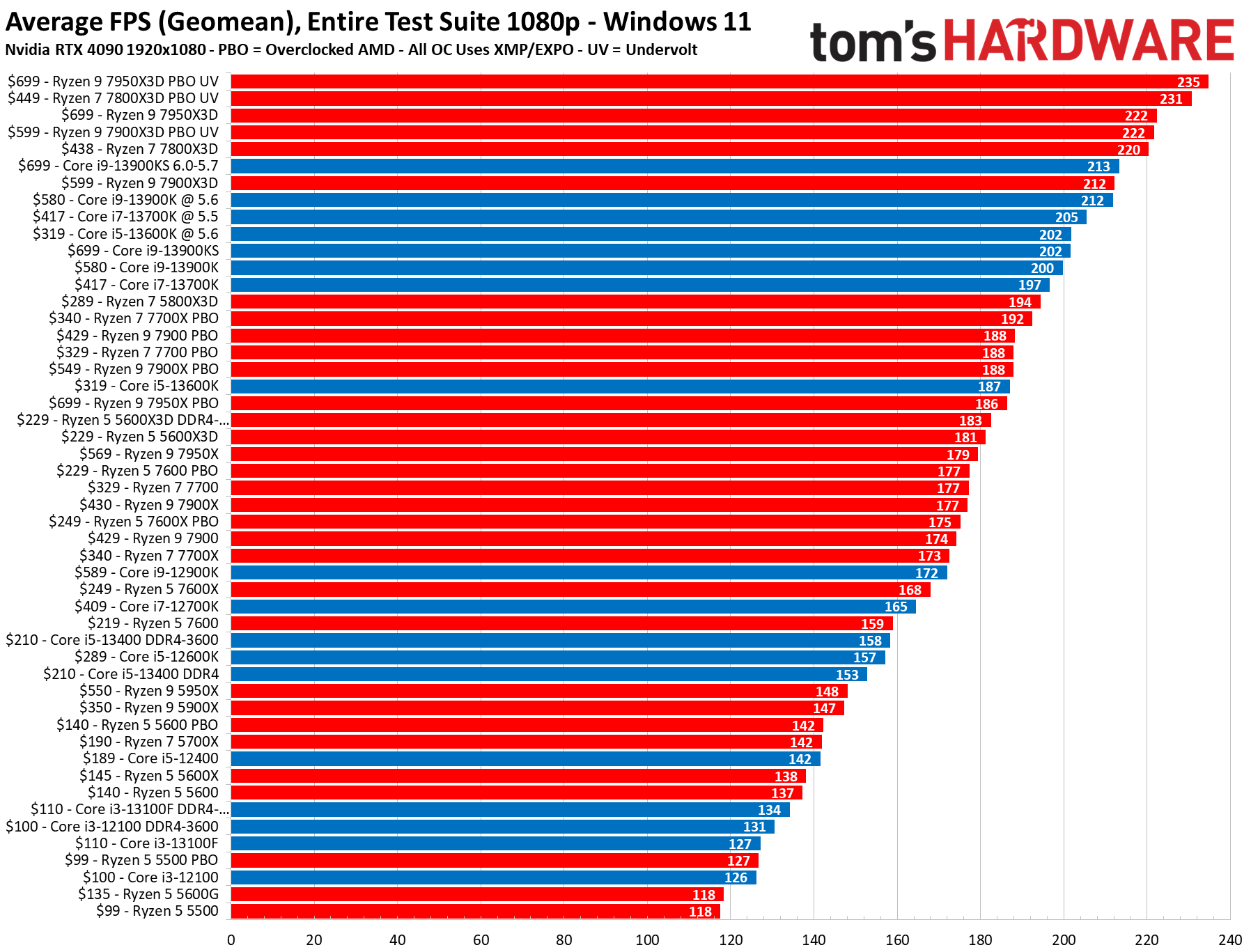


2026 CPU CPU CPU 1796 80 . Best Processor For Laptop The Ultimate 2026 Buyer S Guide Best Processors For. CES 2026 Roundup All The Biggest Tech. AMD S Fastest Gaming Chip The Ryzen 9 9950X3D Is Still At All Time . Best Gaming Intel CPU 2026 8 Models Tested Compared Intel CPU 1024x559

Best Gaming CPU 2026 Top Processors For Gaming Switchblade Gaming Best Gaming Cpu 2026.webp. 12 Best Gaming PC Under 500 In 2026 Tested Reviewed Best CPU For 4K Video Editing PC Build 1024x576 . 5 Best CPUs To Buy In 2026 0a125 1920 . Best CPU 2026 AMD And Intel Chips Go Head To Head Amd Ryzen 7 9850x3d Review Graphs Cinebench 2024 Mt 1200x982 . What Is The Latest AMD Processor In 2026 What Is The Latest AMD Processor In 2026 01


8 Best Intel CPU 2026 Tested For Gaming Featured Image Ab7w6y6w . Best I5 CPU For Gaming 2026 Top 8 Models Tested Best I5 CPU For Gaming . Best Gaming CPUs 2026 10 Processors For Every Budget From Budget Word Image 5 . Updated CPU Benchmarks 2026 Ranked CPU Comparison Best CPU For Gaming 2.webp. 2026 CPU Upgrade Timing Cpu Upgrade Cycle 2026 How Long To Wait Banner V1.webp

Best Processors For Gaming In 2026 For Every Budget Technoid Gaming PC Best Processors For Gaming In 2026 Top Picks For Every Gamer 7de5830b 3b61 4373 82b8. Best PC Gaming CPU 2026 12 Processors Tested PC Gaming CPU 768x419 . Best Gaming Processor 2026 AMD Vs Intel Comparison Complete Guide Cpu Gaming Intel. PC Mobile Processor Ranking 2026 Which One Is Best Latest Mobile And Desktop Processor Banner 1200x670 . Best PC CPU 2026 Gaming Performance And Tests Featured Image M1c614bf



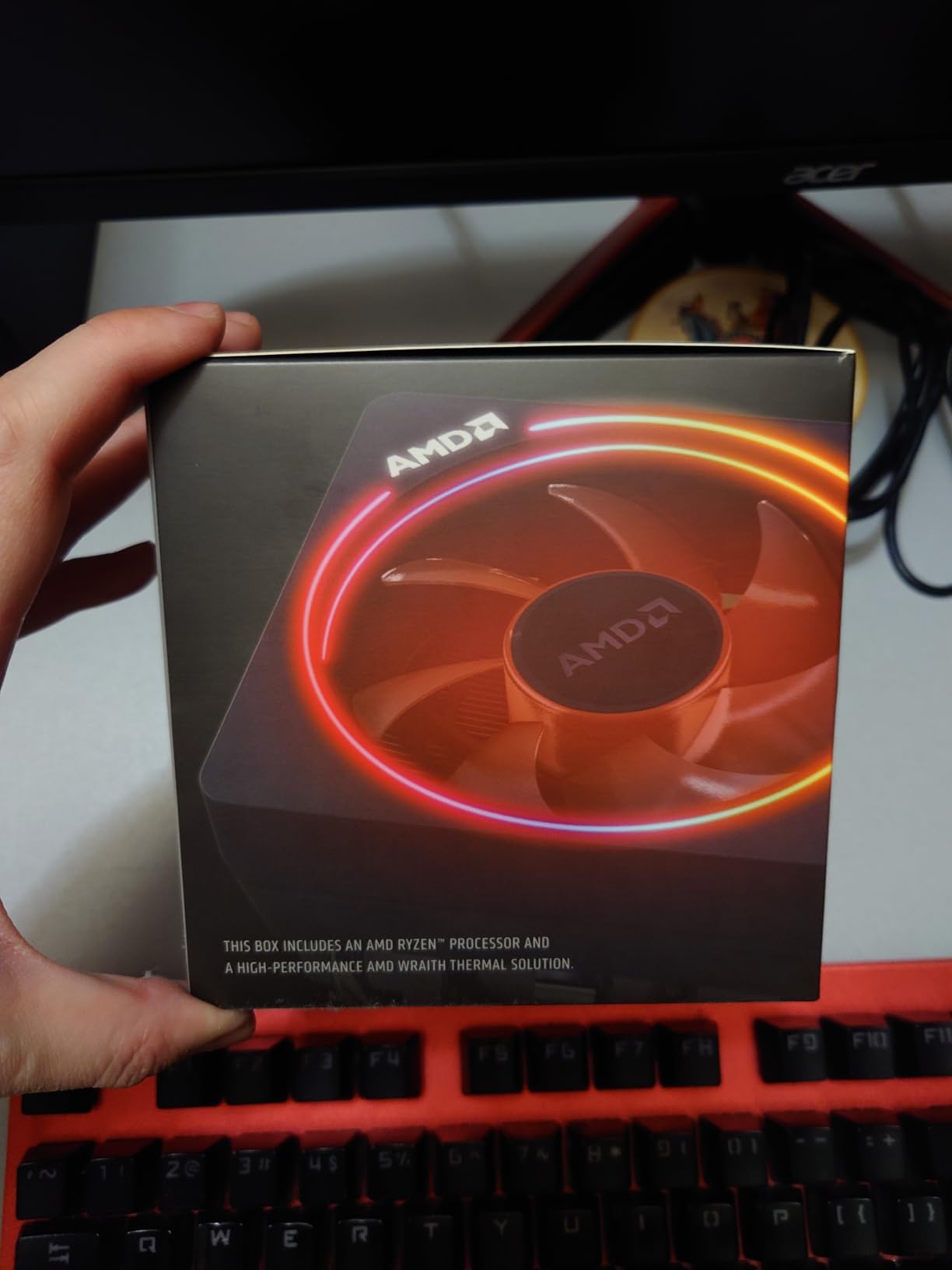
6 Best Desktop Computers 2026 YouTube . Best CPU For Gaming 2026 Top Gaming Processor The Best CPU For Gaming In 2026 01 . Best CPUs For RTX 5060 Ti In 2026 Our Top Picks Tried And Tested PC AMD Ryzen 9000 Series X3D Processor Box . Best Gaming PC 2026 High Performance Buil Gaming PC Guru Best Gaming Pc On Amazon Featured 800x500 . 12 Best Computer Processors 2026 Expert Reviews Comparisons Featured Image 2dxof5uz
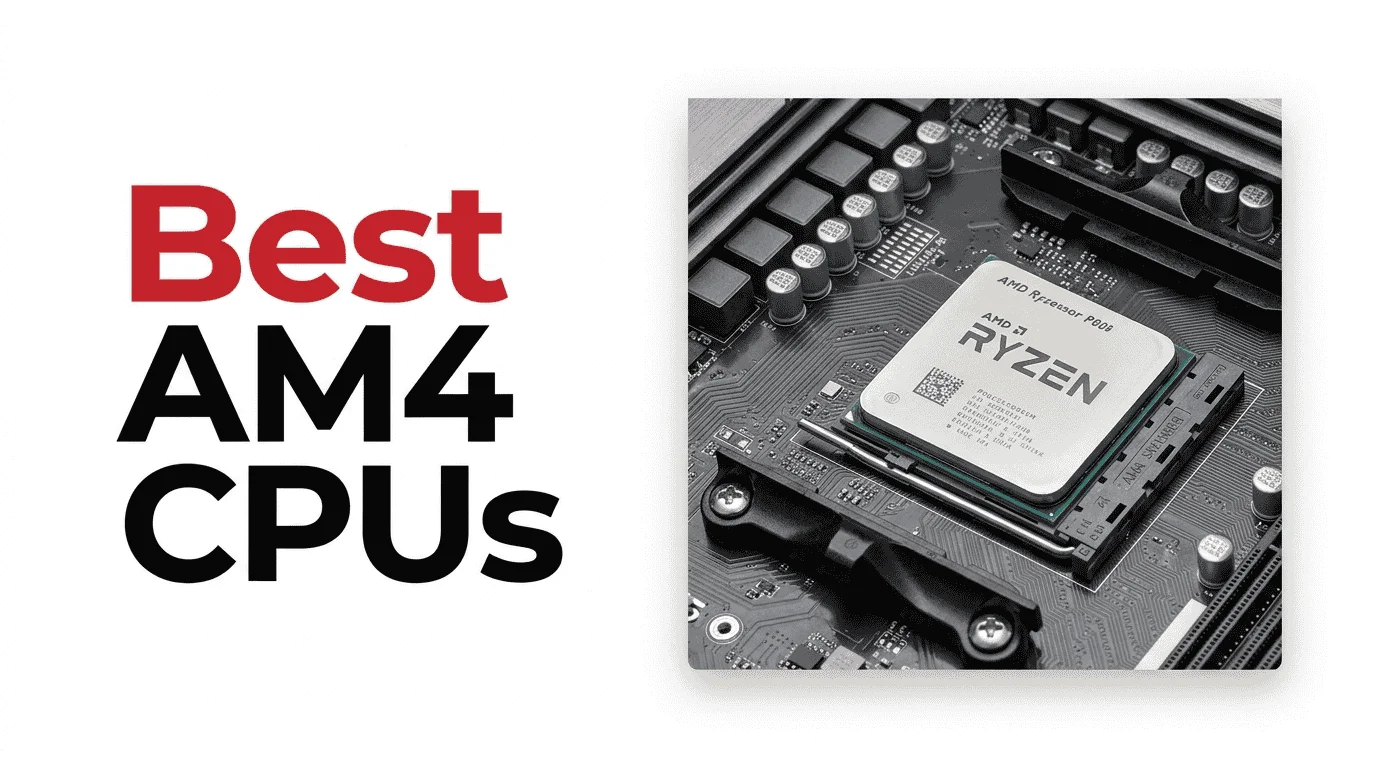


Updated CPU Benchmarks 2026 Ranked CPU Comparison Best AM4 CPUs 2026.webp. Beste Processoren 2026 De Snelste CPU S Van Intel En AMD TechRadar 1920 80 . Best CPU For Gaming PC 2026 12 Processors Tested By Experts B0D6NNDQ92 Customer 1 . Top 10 Best Desktop Computers 2026 For Home Office And Work HP OmniStudio X Pro 2026 All In One Desktop Computer With Large Display Ranked Among Best. Top 10 Best Desktop Computers 2026 For Home Office And Work Apple IMac M4 2026 All In One Desktop Computer For Creative In Best Desktop


The Best Gaming PC Builds For 2026 Top Picks And Reviews Best Pc Build . 2026 CPU Roadmap AMD Zen 6 Intel Core Ultra 400 Nvidia N1X NoobFeed Amd . Top 10 Best Desktop Computers 2026 For Home Office And Work Lenovo Legion Tower 7i 2026 High Performance Desktop Computer With RGB Lighting Featured In. The Best CPUs Mid 2026 Update TechSpot 2024 12 26 Image 10 . 12 Best CPU For Computer 2026 Tested Ranked Best CPU Integrated Graphics 768x419