Navigating the world of PC building on a budget can be challenging especially for busy gamers balancing work family and play. This comprehensive guide will help you discover the best cheap micro ATX case options available in 2026. We delve into essential features like optimal airflow component compatibility and effective cable management ensuring your gaming rig performs flawlessly without breaking the bank. Learn how to identify quality budget cases avoid common pitfalls and make smart choices that support your gaming habits and lifestyle. Whether you are building a new PC or upgrading an existing one this article provides practical advice to maximize value and performance from your compact gaming setup. Discover why a cheap micro ATX case is a smart investment for today's value-conscious gamer allowing you to optimize performance and enjoyment without overspending.
How can a cheap micro ATX case benefit my gaming setup?
A cheap micro ATX case offers a fantastic balance of compactness and compatibility, perfect for gamers juggling space constraints and budget demands. It allows for a smaller PC footprint compared to a full ATX tower while still supporting standard components like a micro ATX motherboard and most modern GPUs. This means you can build a powerful gaming rig without breaking the bank or taking over your entire desk, ideal for adults balancing gaming with work and family life.
What should I look for in terms of airflow when choosing a budget micro ATX case?
Even with a cheap micro ATX case, prioritizing good airflow is crucial to prevent thermal throttling and extend component lifespan. Look for cases with mesh front panels, multiple fan mounting points (front, top, rear), and ample clearance around components. Many budget cases might only include one exhaust fan, so plan to add a couple of inexpensive intake fans for optimal cooling, especially if you're running demanding games that push your CPU and GPU.
Are cheap micro ATX cases difficult to build in for first-timers?
Not necessarily. While some budget cases can be a bit more cramped or lack advanced cable management features, many modern cheap micro ATX cases are designed with user-friendliness in mind. Look for cases with removable drive cages, sufficient space behind the motherboard tray for cables, and tool-less drive bays. Patience and watching a few build guides on YouTube can make the process smooth, even for those new to PC building.
Can I fit a powerful graphics card in an affordable micro ATX case?
Yes, absolutely. Most current cheap micro ATX cases are designed to accommodate full-sized graphics cards, often up to 300-350mm in length. However, always double-check the maximum GPU length specified by the case manufacturer against your desired graphics card's dimensions. Some ultra-compact or older budget cases might have limitations, but for the majority, a powerful GPU is not an issue.
How important is cable management in a cheap micro ATX case?
Cable management is vital in any PC build, but especially so in a more compact cheap micro ATX case. Good cable management improves airflow by reducing obstructions, makes future upgrades easier, and creates a much cleaner aesthetic. Look for cases with cutouts in the motherboard tray, tie-down points, and some space (15-20mm) behind the tray. Even basic cable ties can make a huge difference in tidying up your build.
Will a cheap micro ATX case compromise my system's noise levels?
Some cheap micro ATX cases might not offer the same level of sound dampening as premium options, potentially leading to slightly higher noise levels from fans and components. However, this largely depends on the specific case, your choice of fans, and component thermals. Opt for cases with good ventilation to allow fans to run at lower RPMs and consider quieter aftermarket fans if noise is a major concern for your relaxing gaming sessions.
What are the best places to find good deals on cheap micro ATX cases?
Online retailers like Amazon Newegg and Best Buy are excellent starting points for finding deals on cheap micro ATX cases especially during sales events. Keep an eye on tech specific deal websites and subreddits where users often share promotions. Local computer stores or even Facebook Marketplace might occasionally have good second hand options but always inspect those thoroughly for damage.
Hey fellow gamers! Ever feel like you are constantly juggling raid times with work deadlines or trying to squeeze in a quick match before family dinner? You are not alone. For many of us the average age of a US gamer hovers around 36 and we are a demographic that balances passion for gaming with the realities of life. About 60% of us are dedicated gamers playing regularly often more than 10 hours a week according to recent trends. We love the relaxation the fun the skill-building and especially the social connections found in games whether that is coordinating strategies on Discord or just unwinding in a cozy F2P title. But let's be real a high-performance gaming PC often comes with a hefty price tag and finding space for a colossal tower can be another headache. That's where the mighty and often overlooked hero steps in: the cheap micro ATX case.
You want performance optimization and value for money without the hype or breaking the bank. You need hardware that fits your life not the other way around. This month we are seeing a huge surge in interest for compact budget-friendly builds as gamers seek efficient setups. From balancing performance with limited space to navigating hardware upgrades on a tight budget selecting the right case is foundational. A well-chosen cheap micro ATX case can solve many of these pain points offering a powerful gaming foundation that respects your space and your wallet. This guide is designed to cut through the noise giving you practical actionable advice to find the perfect micro ATX case that truly delivers without compromise.
Why a Cheap Micro ATX Case is Your Smartest Gaming Move Right Now
Choosing a cheap micro ATX case is not just about saving money; it is about smart, strategic building. For the busy gamer who might have a dedicated battle station but also needs their PC to blend into a home office or living room environment a micro ATX form factor hits a sweet spot. It is significantly smaller than a standard ATX mid-tower reducing its footprint on your desk or floor without drastically limiting component choices. This means you can still typically fit a robust micro ATX motherboard which supports powerful CPUs ample RAM and often two full-sized expansion slots perfect for a strong GPU and perhaps a capture card or Wi-Fi adapter. It's a pragmatic choice for those who value performance and a clean setup.
Beyond space savings the cost efficiency extends to the cases themselves. Many manufacturers offer excellent quality micro ATX cases at competitive prices often under 70 making them an accessible entry point for new builders or those looking to refresh an older system. This affordability means more budget can be allocated to critical components like the GPU or CPU which directly impact your in-game experience. In 2026 with the rise of cross-play and demanding new titles optimizing every dollar counts. A great value micro ATX case helps you stay current with trends like enhanced graphics and faster load times without financial strain.
What Key Features to Prioritize in a Budget Micro ATX Case?
When you are scouting for a cheap micro ATX case certain features move from nice-to-have to absolutely essential. First and foremost prioritize airflow. Look for cases with mesh front panels or ample ventilation on the front and top. Airflow directly impacts your components' temperatures preventing thermal throttling and extending their lifespan. Secondly check for component clearance specifically for your graphics card length and CPU cooler height. Many modern GPUs are quite long so verify the case can accommodate your chosen card. For CPU coolers ensure there's enough room for tower coolers if you are not using a stock cooler or an AIO.
Cable management features are also critical even in a budget case. Look for cutouts around the motherboard tray and at least 15-20mm of space behind the tray for routing cables. This not only makes your build look cleaner but also improves airflow by reducing obstructions. Lastly consider front I/O ports. At least two USB 3.0 ports are ideal along with audio jacks. Some budget cases might skip dust filters or only include basic ones; these are highly recommended for keeping your system clean and optimizing long-term performance.
How to Ensure Optimal Airflow and Thermals in a Cheap Micro ATX Case?
Even with a cheap micro ATX case you can achieve excellent thermal performance with a bit of planning. The key is understanding airflow dynamics. Aim for a positive pressure setup where you have more air entering the case than exiting. This helps prevent dust from entering through unfiltered gaps. Install two intake fans at the front and one exhaust fan at the rear. If your case supports it an additional exhaust fan at the top can further improve heat dissipation especially from your CPU.
Component selection also plays a role. If your budget allows for a slightly more power-efficient CPU or GPU that can run cooler this will ease the thermal load on your case. Make sure to clean your dust filters regularly—a quick wipe or rinse every few months can significantly improve airflow. Finally consider where you place your PC. Keeping it on a desk rather than tucked away in a cramped cabinet or on a carpeted floor will give it better access to fresh air. Good thermals mean your components can boost higher for longer leading to smoother gameplay and a more reliable system.
Are Cheap Micro ATX Cases a Compromise on Aesthetics or Quality?
The perception that a cheap micro ATX case equals poor aesthetics or shoddy quality is often outdated. While premium cases certainly offer more exotic materials and elaborate designs many budget-friendly micro ATX options today boast surprisingly clean lines tempered glass side panels and decent build quality. Manufacturers have stepped up their game understanding that gamers want a system that looks good as well as performs well. You can find cases with subtle RGB accents or sleek minimalist designs that blend seamlessly into any setup without screaming 'budget build.'
Of course there might be compromises. You might not get the thickest steel panels or the most robust plastic but a quick check of user reviews on popular retailer sites like Amazon or Newegg will quickly reveal which cases offer good structural integrity for their price point. Look for feedback on panel rigidity screw alignment and overall finish. Many brands now offer excellent value without sacrificing essential quality making it easier than ever to build an attractive and functional PC without overspending. This month several newer models have received praise for their improved design and material choices compared to older budget offerings.
Can I Future-Proof My Build with a Budget Micro ATX Case?
Future-proofing a PC build with a cheap micro ATX case is more about smart planning than expecting endless upgradeability. While a micro ATX motherboard has fewer expansion slots than an ATX board it still supports current-generation CPUs and RAM. The key is to select a case that can accommodate larger GPUs and perhaps an AIO liquid cooler if you plan to upgrade those components later. Look for cases with ample clearance for future graphics card dimensions and radiator mounting points (e.g., 240mm or 280mm in the front or top).
Your power supply unit PSU choice is also crucial. Invest in a slightly higher wattage PSU than you currently need to leave headroom for future GPU upgrades. While the case itself might not change much a well-chosen case ensures that internal upgrades are as painless as possible. Think about the components you are most likely to upgrade in the next 3-5 years and pick a case that supports their typical form factors. This balanced approach helps you get the most out of your budget build without feeling stuck down the line.
Which Brands Offer the Best Value in Cheap Micro ATX Cases?
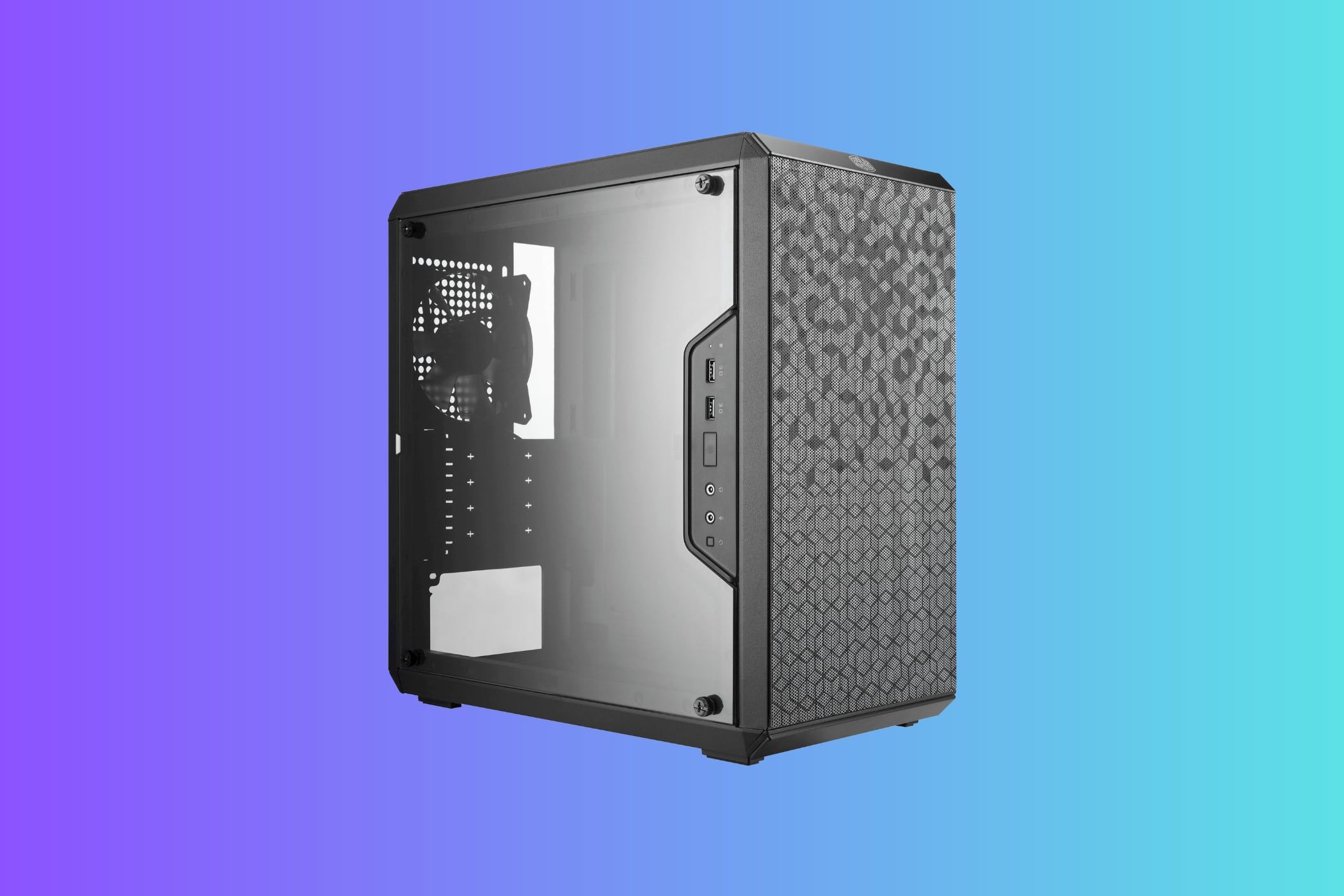
When searching for a cheap micro ATX case that delivers excellent value several brands consistently stand out for their budget-friendly yet capable offerings. Companies like Cooler Master often with their Q300L or NR400 models provide solid airflow and decent features for the price. Montech has gained popularity recently for cases like the AIR 100 ARGB which offer fantastic value with included RGB fans and mesh fronts. Deepcool sometimes with their Matrexx series or Macube line also provides competitive options.
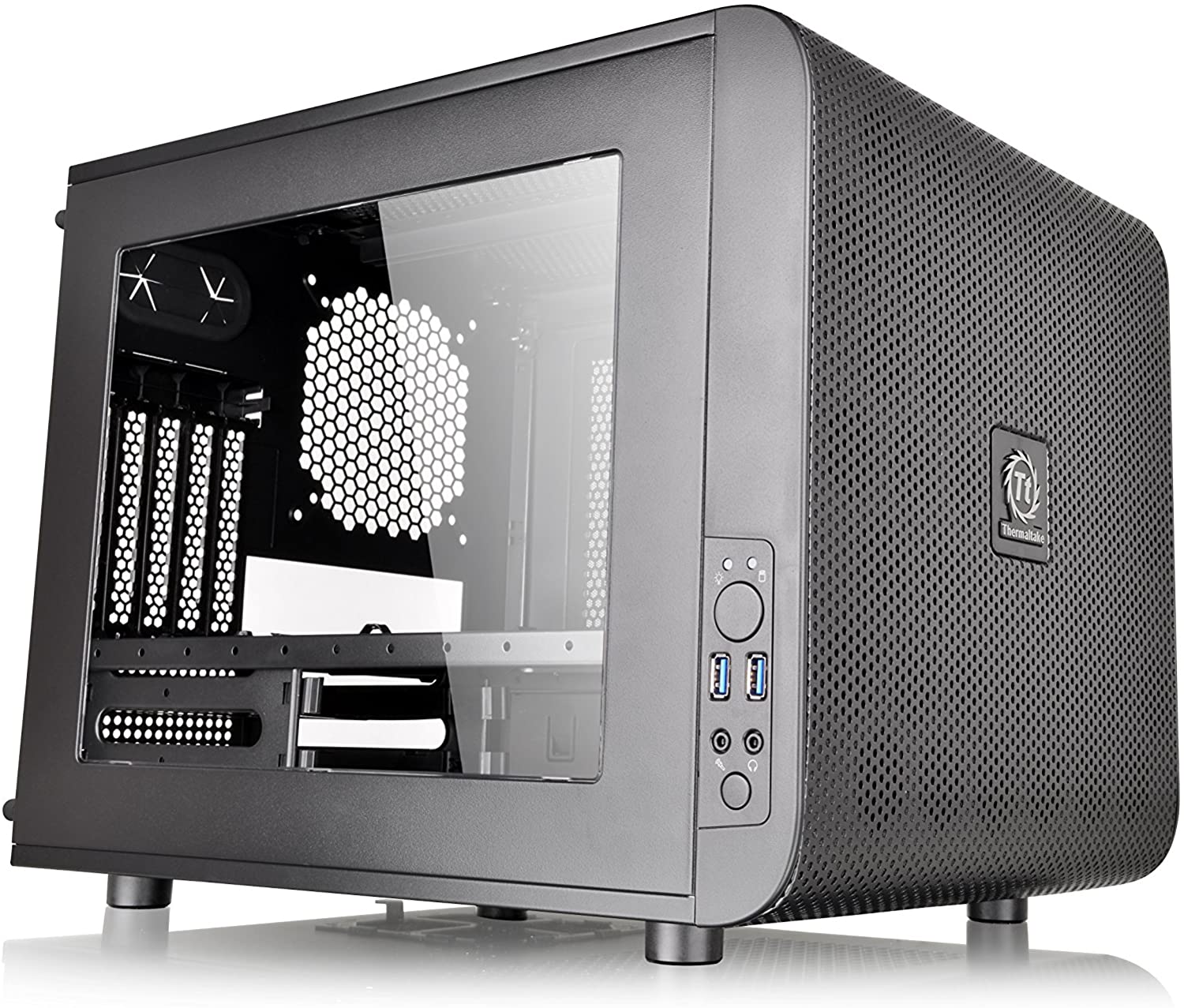
Other reliable choices include Thermaltake with their Versa H18 or H17 cases which are very straightforward and functional. Phanteks can occasionally dip into the budget segment with cases like the P300A or P360A offering premium features at a lower price point during sales. When considering these brands always cross-reference specific model reviews to ensure they meet your particular needs for airflow component clearance and build quality. Checking 'this month's deals' on major retailer websites can also reveal excellent unadvertised bargains from these trusted manufacturers.
Common Pitfalls and How to Avoid Them When Buying Cheap Micro ATX Cases
Buying a cheap micro ATX case can be a fantastic way to save money but it is crucial to avoid common pitfalls. One major mistake is not thoroughly checking component clearance. Many budget cases might struggle with very long GPUs or tall tower CPU coolers leading to frustrating installation issues or poor thermals. Always verify the maximum supported dimensions against your planned hardware. Another pitfall is neglecting airflow. Some cheap cases prioritize aesthetics over function leading to choked intake or exhaust points. Look for mesh panels or well-placed vents.
Flimsy build quality is another concern. While you cannot expect aircraft-grade aluminum at a low price reading user reviews for complaints about thin metal vibrating panels or poor screw threading can save you headaches. Lastly do not overlook the front panel I/O. Basic cases might only offer USB 2.0 ports which are too slow for modern peripherals and storage. Aim for at least one or two USB 3.0 ports for convenience. A little research goes a long way in ensuring your cheap micro ATX case is a wise investment and not a source of frustration.
Balancing Gaming Performance and Life with a Compact Budget Build
For gamers aged 36 balancing a career family and personal time a gaming PC is more than just a hobby tool it is a sanctuary. A compact build housed in a cheap micro ATX case perfectly supports this lifestyle. It allows you to have a powerful machine for the latest AAA titles or competitive esports without it dominating your living space. This discretion is key for many who want their gaming passion to coexist harmoniously with their home environment. Moreover the affordability means you have more budget for other life priorities or even for in-game purchases and battle passes that enhance your social gaming experience with friends.
Recent trends show an increase in social and cozy games perfect for winding down after a long day. Free-to-play titles continue to thrive offering endless entertainment without upfront costs. A reliable budget micro ATX system lets you dive into these experiences or even explore new frontiers like VR experiments without excessive financial commitment. It empowers you to maintain your love for gaming to de-stress build skills and connect with friends online all while managing the other important aspects of your adult life. It's about smart choices that support your well-being and your wallet.
Building on a Budget: Essential Tools and Tips for Your Cheap Micro ATX Case
Building in a cheap micro ATX case especially if it is your first time requires a few essential tools and some patience. A good quality magnetic tip screwdriver set (Phillips head primarily) is your best friend. Having a supply of zip ties or Velcro straps for cable management is also crucial. When you are ready to build it is often helpful to install your CPU RAM and CPU cooler onto the motherboard *before* placing the motherboard into the case. This gives you more room to work with. If your CPU cooler is large make sure to connect its fan header before installation.
For cable management plan your routes before you start tying things down. Utilize the space behind the motherboard tray and any included cable routing channels. Connect front panel headers first as they can be tricky to reach later. Do a test boot outside the case if you are unsure about any connections. Even with a budget case taking your time and following a good build guide will result in a clean functional system. Remember it is a rewarding process that saves you money and gives you a deeper understanding of your gaming rig.
Beyond the Build: Maintaining Your Cheap Micro ATX Case for Longevity
Once your budget gaming PC is humming inside its cheap micro ATX case proper maintenance will ensure its longevity and continued performance. The primary enemy of any PC is dust. Make it a habit to regularly clean your dust filters usually once every one to three months depending on your environment. A soft brush or a quick rinse under water (ensure they are completely dry before reinstallation) works wonders. For internal components a can of compressed air can be used to clear out dust from fan blades heat sinks and other crevices.
Checking all cable connections periodically is also a good practice especially if you move your PC. Ensure fan blades are free of obstruction and spinning smoothly. Because you chose a value-for-money case making it last as long as possible is part of the smart investment. Regular cleaning not only keeps your temperatures low preventing premature component failure but also ensures your system runs efficiently minimizing noise and maximizing your gaming enjoyment for years to come. A little effort goes a long way in preserving your budget build.
So there you have it. Choosing a cheap micro ATX case is not about settling for less; it is about building smarter, living better, and gaming hard without overextending your resources. It's about finding that perfect balance for your 2026 gaming life, where performance meets practicality. With the right research and a bit of planning, you can create a compact, powerful, and aesthetically pleasing gaming PC that caters to all your needs, without breaking the bank.
What's your biggest gaming challenge when it comes to hardware upgrades or balancing your gaming life? Comment below!
FAQ Section
Is a cheap micro ATX case good for high-end GPUs?
Yes, many modern cheap micro ATX cases are designed to accommodate full-sized, high-end GPUs. Always check the case's maximum GPU length specification against your chosen card to ensure compatibility. Clearance is often sufficient for flagship graphics cards, allowing for powerful budget builds.
Do cheap cases typically include fans?
Most cheap micro ATX cases usually come with at least one pre-installed exhaust fan, typically at the rear. Some value-oriented models might even include two or three basic fans, occasionally with RGB. However, for optimal airflow, adding extra aftermarket fans is often recommended.
What's the main difference between Micro ATX and Mini ITX cases?
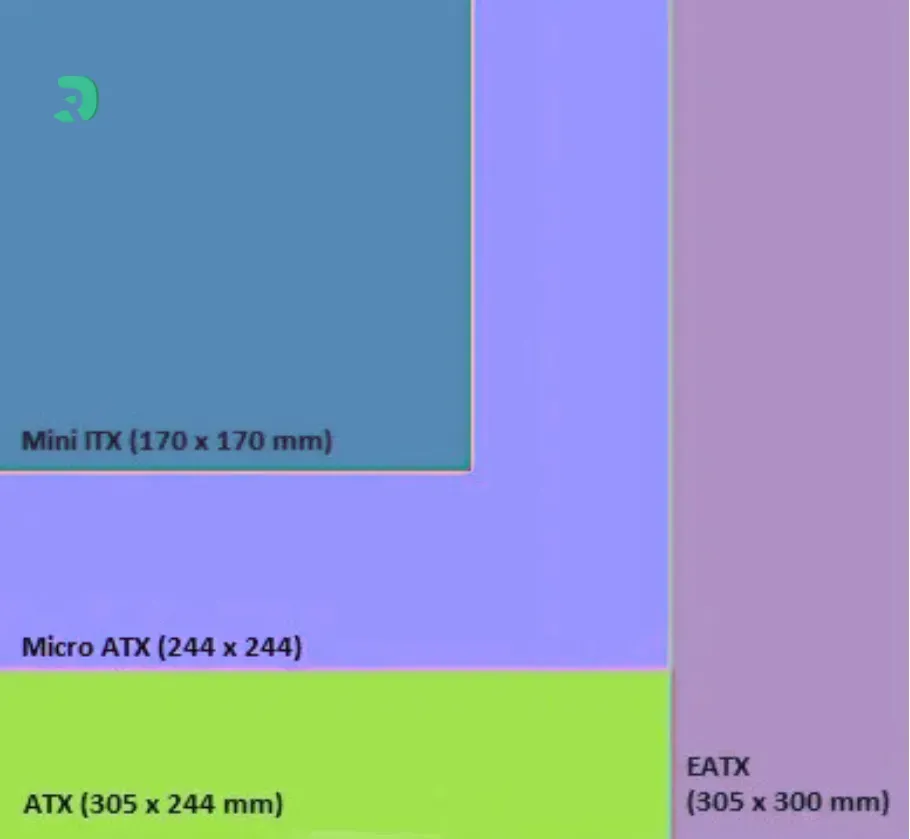
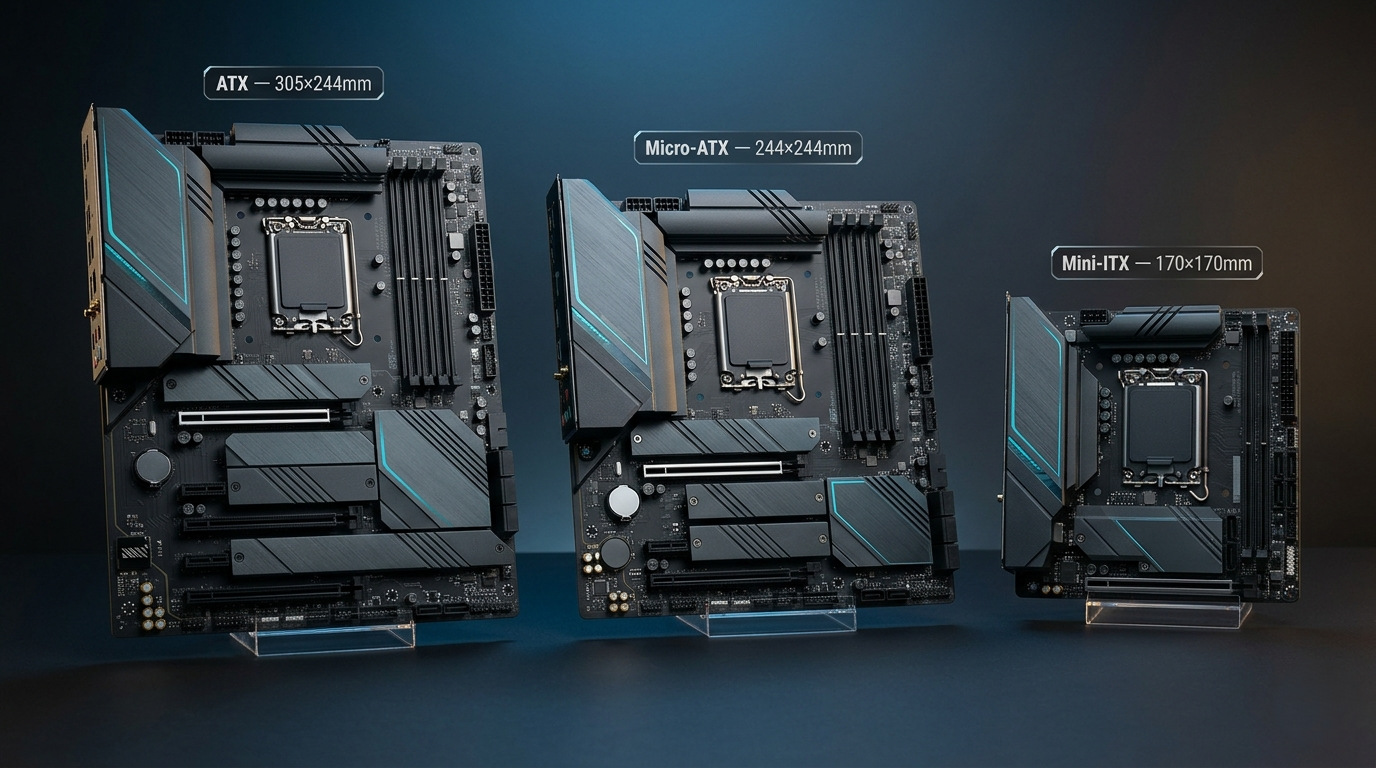
The main difference lies in size and motherboard compatibility. Micro ATX cases support micro ATX motherboards, offering more expansion slots and RAM DIMM slots than Mini ITX cases. Mini ITX cases are significantly smaller, designed for Mini ITX motherboards, and offer the most compact form factor.
Can I install an AIO liquid cooler in most budget micro ATX cases?
Many budget micro ATX cases now support AIO liquid coolers, commonly 240mm or 280mm radiators, typically mounted in the front or top. Always verify the specific case's radiator support and clearance with its specifications sheet before purchasing to avoid compatibility issues.
How does a cheap case impact dust accumulation?
Dust accumulation depends less on the case's price and more on its design. Cases with good dust filters on intake vents help significantly, regardless of price. Cheap cases without filters or with poor sealing can accumulate dust faster, requiring more frequent cleaning.
Are tempered glass panels available on affordable micro ATX cases?
Absolutely! Tempered glass side panels have become a common feature even on affordable micro ATX cases. Many budget models now offer this premium aesthetic, allowing you to showcase your components without spending a fortune. Just ensure the overall build quality is also satisfactory.
Finding the perfect cheap micro ATX case involves balancing budget with essential features like airflow component compatibility and build quality. Prioritize cases with good cable management options and support for your chosen GPU length and CPU cooler height. Consider front panel I O and dust filters for a better user experience. Dont overlook the importance of thermal performance even in budget builds to protect your components and ensure smooth gaming sessions. This guide helps gamers on a budget make informed decisions.
35
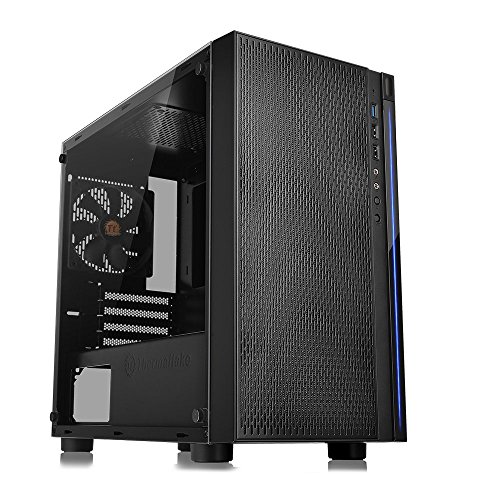

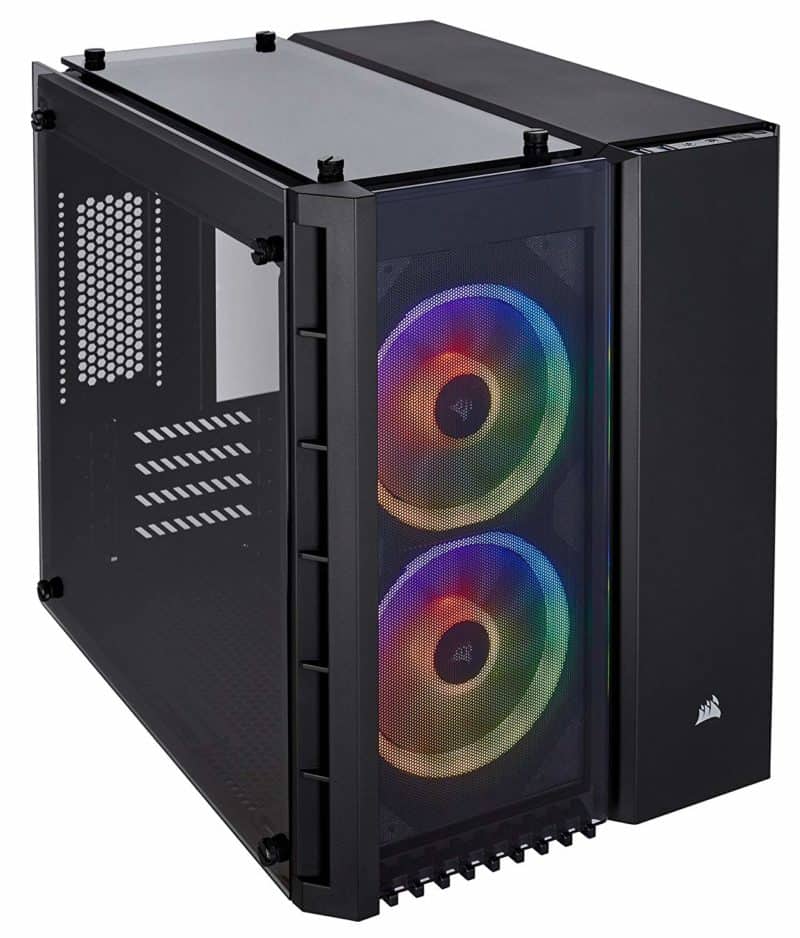
Best Small ATX Cases 2026 Expert Reviews Comparisons Best Small ATX Cases . The Best Budget Micro Atx Cases Of 2026 Homeer 51BARwNk2iL . Top 5 Best Micro ATX Cases Of 2026 Best Product Review Best Micro ATX Cases . 10 Best Micro ATX Cases For Gaming Builds March 2026 Guide Best Micro ATX Cases For Gaming Builds 1024x683 . Best Micro ATX MATX Cases In 2022 5 Budget Top Picks WePC Corsair 280x Crystal Case
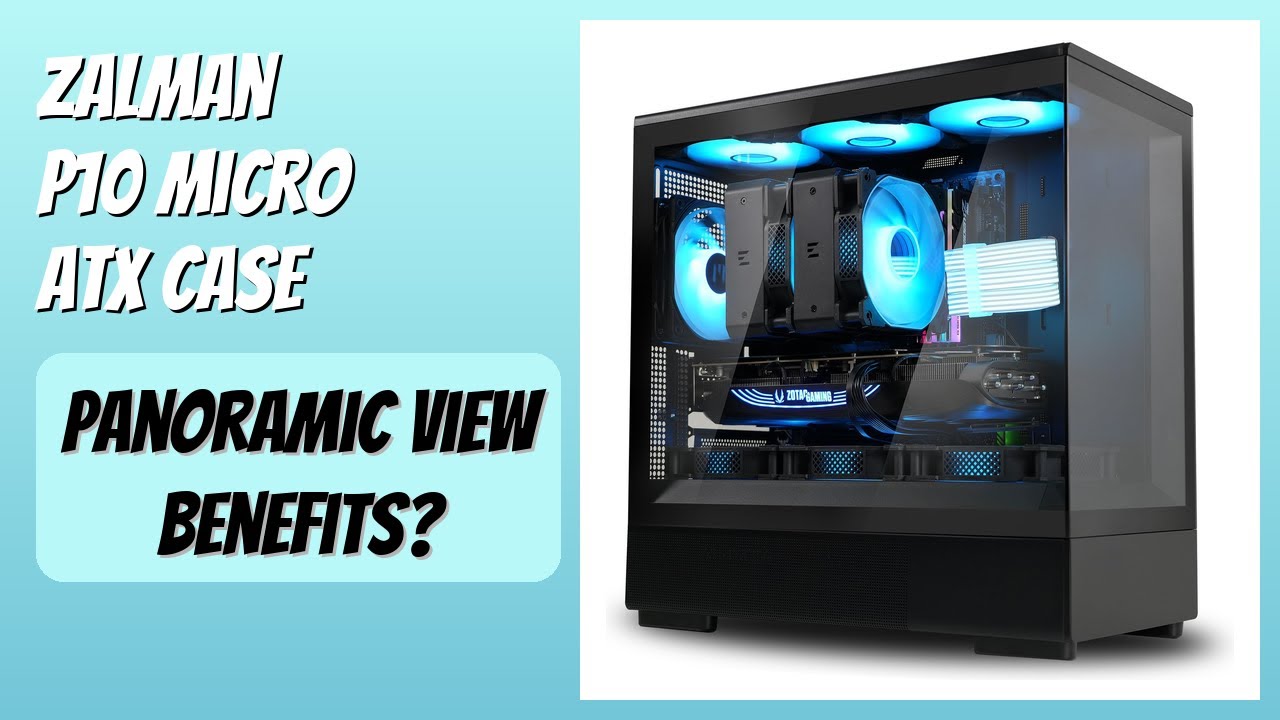
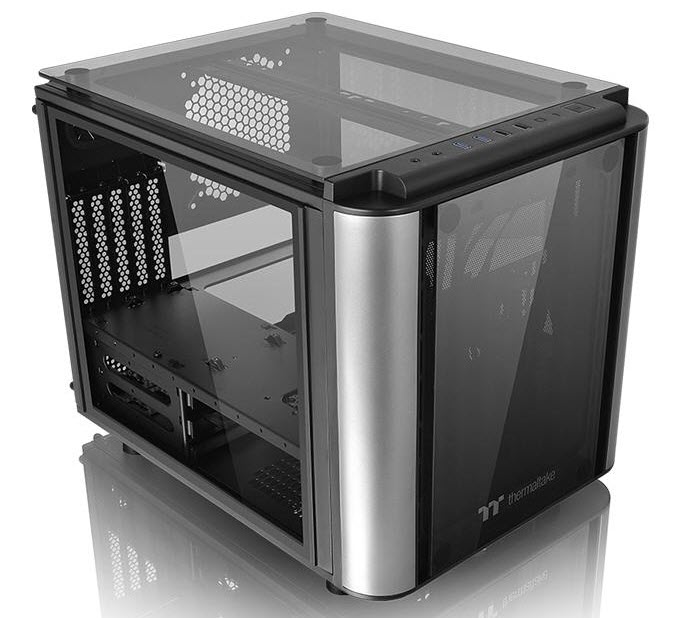


Best Micro ATX Cases 2026 Don T Buy One Before Watching This YouTube . REVIEW 2026 Zalman P10 Micro ATX Case Features YouTube . Best Micro ATX And ATX Cube Case For Gaming PC HTPC In 2026 Thermaltake Level 20 VT Micro ATX Cube Gaming Case . Best Micro ATX And ATX Cube Case For Gaming PC HTPC In 2026 . Best Small ATX Cases 2026 Expert Reviews Comparisons 51e9tNjKsNL
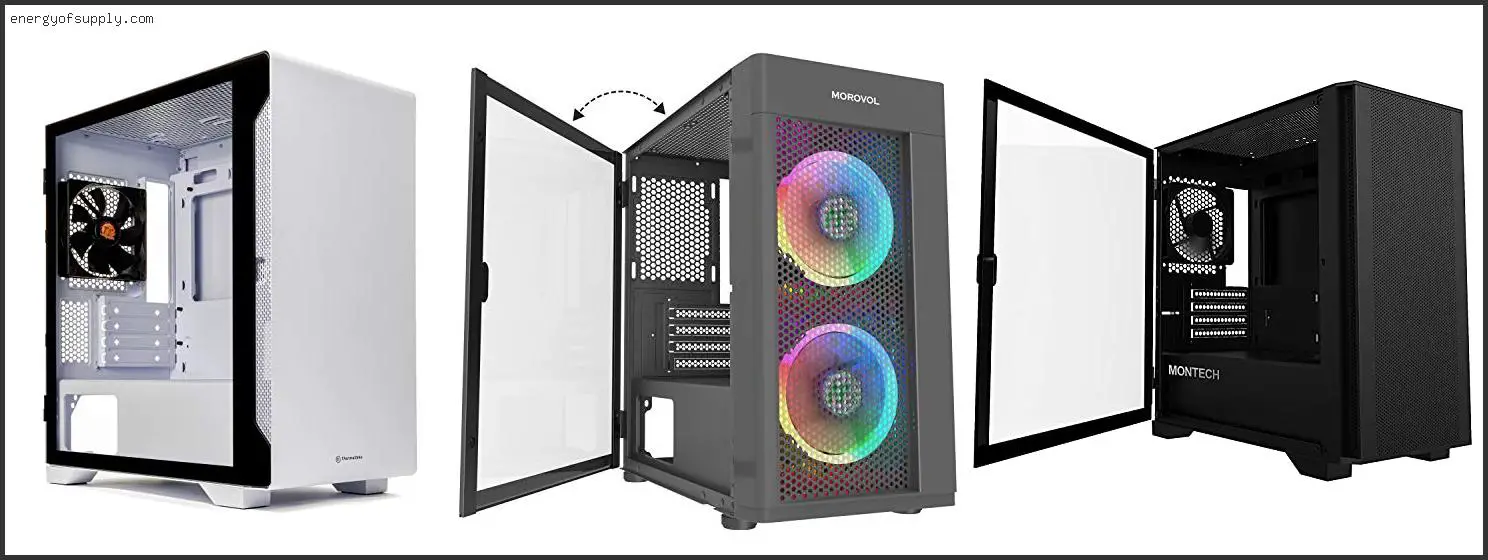

Best Micro ATX Cases For PC In 2026 AC SL240 . Top 10 Best Micro Atx Case Review Buying Guide 2159 . The Best Micro ATX Cases Of 2024 Cooler Master Masterbox Q300l . Top 5 Cheap Micro ATX Cases Budget Builds Guide 318tOVj79uL . Best Micro ATX Case 2026 Best PC Case 2026 YouTube

Best Micro ATX Case 5 Micro ATX Cases Ranked 2023 Appuals Thermaltake Core V21 . 15 Best Micro ATX Cases For Gaming Builds April 2026 Expert Reviews Best Micro ATX Cases For Gaming Builds 768x419 . Best Small ATX Cases 2026 Expert Reviews Comparisons 51WfytAtGCL . LOVINGCOOL 2026 PC Case Gaming ATX Case Oversized Side Stalinite Wide 960x960q80 . LOVINGCOOL 2026 PC Case Gaming ATX Case Oversized Side Stalinite Wide 960x960q80


LOVINGCOOL 2026 PC Case Custom Gaming ATX Casing Wide Cube Computer 960x960q80 . Best Mini ITX PC Cases 2026 9meters 815bQQl3DmL . 6 Best Mini ITX Cases Our Top Picks 2026 TechLatest Phanteks Evolv Shift 2 1 1200x675 . TOP 5 Best Micro ATX Cases 2026 A Compact Case For A Powerful PC . TOP 5 Best Micro Atx Case 2026 This Micro Atx Case Changed My PC
ATX Case Or Micro ATX The Ultimate Comparison 2026 Pc Gamer Atx 2. 8 Best Micro ATX Cases For Compact Gaming Builds June 2026 Expert Reviews Best Micro ATX Cases For Compact Gaming Builds . ATX Case Or Micro ATX The Ultimate Comparison 2026 Pc Gamer Atx 3. Harga Mini ATX Case Terbaru Feb 2026 BigGo Indonesia Id 11134207 8224w. Top 5 Micro ATX For Budget Builds In 2026 Micro ATX


Best Micro ATX Cases In 2026 The Tech Lounge Corsair Crystal 280x . LOVINGCOOL 2026 PC Case Gaming ATX Case Oversized Side Stalinite Wide 960x960q80 . ATX Micro ATX Or Mini ITX Choosing The Right Motherboard Form Factor 9.1 . 6 Best Smallest Micro ATX Cases In 2026 Smallest Micro ATX Case Feature Image.webp. The Best Mini ITX PC Case In 2025 The Top Tiny Cases I Ve Tested To