ESG gaming is rapidly evolving, attracting significant attention from players, developers, and investors alike in 2026. This comprehensive guide explores what environmental, social, and governance principles mean within the dynamic world of video games. We delve into how gaming companies are integrating sustainability, promoting diversity, and ensuring fair labor practices. Discover the impact on game design, player communities, and industry trends, examining both challenges and opportunities. Understanding ESG helps gamers make informed choices and empowers developers to build more responsible, ethical, and engaging experiences for everyone. Explore the future of gaming where responsibility meets innovation. This evolving landscape promises meaningful change and new benchmarks for success in the digital realm.
what is esg gaming FAQ 2026 - 50+ Most Asked Questions Answered (Tips, Trick, Guide, How to, Bugs, Builds, Endgame)Welcome, fellow gamers, to the ultimate living FAQ for ESG gaming in 2026! The landscape of ethical and sustainable practices in our beloved industry is evolving at warp speed, and staying informed can feel like a boss battle. This comprehensive guide has been meticulously updated for the latest trends and insights, designed to answer your most pressing questions about environmental, social, and governance principles in the gaming world. Whether you're a casual player, an aspiring developer, or a seasoned industry veteran, prepare to dive deep into how responsible practices are shaping the games we play and the companies that make them. Consider this your go-to resource for navigating the exciting, complex future of gaming ethics and sustainability.What exactly is ESG in gaming?
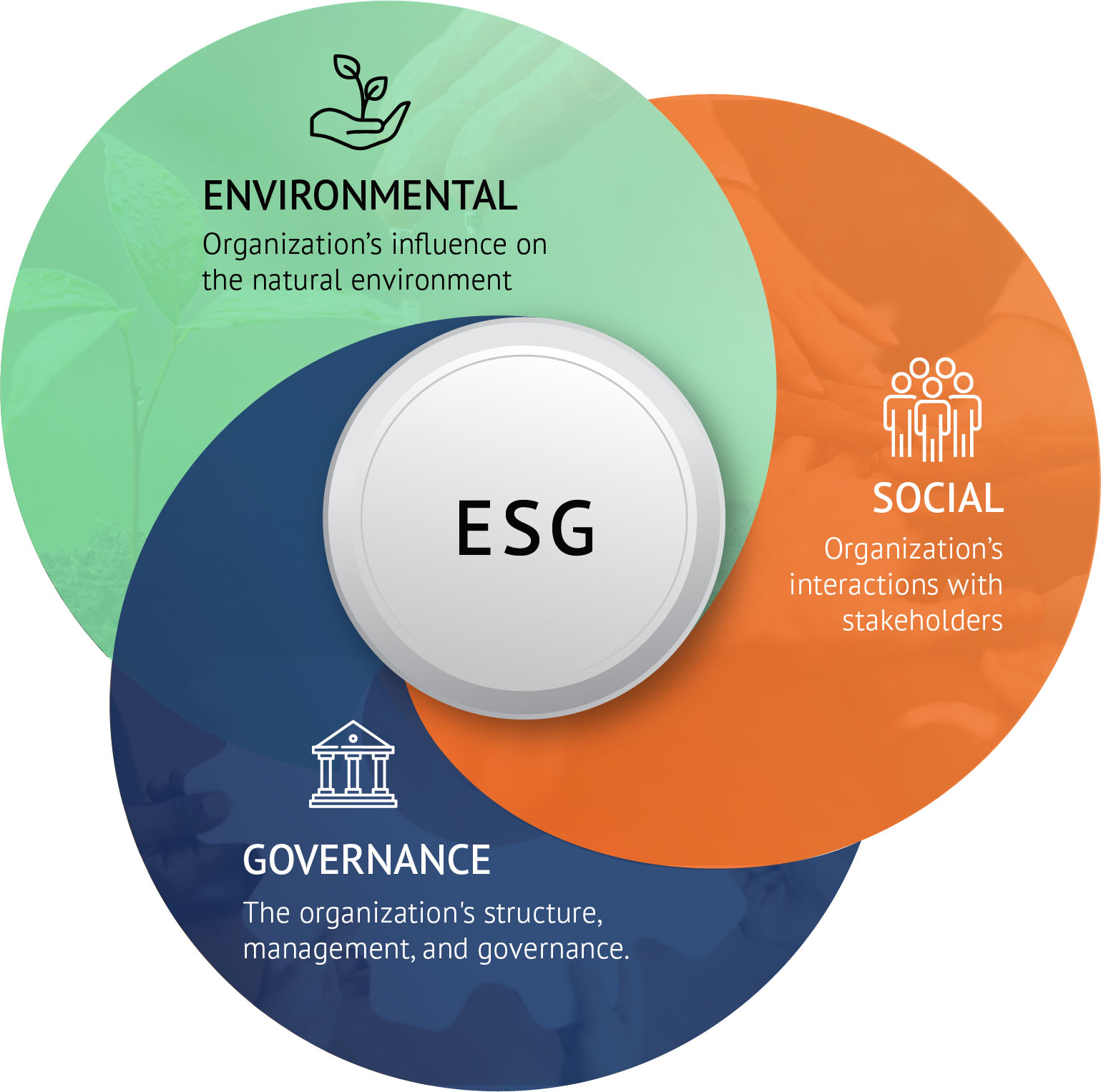
ESG in gaming refers to a company's commitment to Environmental, Social, and Governance principles. This means considering ecological impact, fostering positive social contributions like diversity, and maintaining ethical leadership and transparency in operations.Why is ESG important for the gaming industry in 2026?
In 2026, ESG is crucial as players and investors increasingly demand accountability. It drives innovation, enhances brand reputation, attracts talent, and mitigates risks, ensuring long-term sustainability and positive industry impact.How do gaming companies measure their environmental impact?
Gaming companies measure environmental impact by tracking energy consumption of data centers and development studios, assessing supply chain emissions for hardware, and analyzing waste generation from physical products and events. Many aim for carbon neutrality.What does "social" mean in ESG for game development?
"Social" in game development means prioritizing employee well-being, promoting diversity and inclusion within teams and game content, ensuring fair labor practices, and fostering positive, non-toxic player communities through robust moderation.How can players identify genuinely ESG-committed game companies?
Players can identify genuinely ESG-committed companies by looking for transparent annual reports, specific measurable goals, third-party certifications, and consistent actions across their business operations and public statements, avoiding mere rhetoric.Does ESG only apply to large AAA game studios?
No, ESG applies to all sizes of game studios, from indie developers to large AAA companies. While resource allocation differs, even small studios can implement ethical labor practices, inclusive design, and environmentally conscious decisions.What are the benefits of ESG for game developers?
ESG benefits for developers include attracting top talent, improving employee morale, appealing to socially conscious investors, enhancing brand loyalty among players, reducing operational risks, and fostering long-term innovation and resilience.Beginner Questions on ESG
What is the core idea behind ESG in video games?
The core idea behind ESG in video games is to encourage companies to operate sustainably and ethically. This considers their impact on the environment, society, and how transparently they are governed. It’s about building a better industry.How does player community management fit into ESG?
Player community management fits directly into the "Social" aspect of ESG. Companies foster healthy, inclusive environments through moderation, anti-toxicity measures, and diverse representation, ensuring positive experiences for all gamers. Tips: Look for transparent moderation policies.Can a game itself be considered "ESG friendly"?
A game can be considered "ESG friendly" if its development adheres to ethical practices and its content promotes positive social values. This includes inclusive design, responsible monetization, and narratives that raise awareness about sustainability.What resources are available for learning more about ESG in gaming?
Numerous resources exist, including industry reports from organizations like the IGDA, financial analyses from investment firms focusing on ESG, and dedicated gaming news sites covering ethical trends. Many large studios also publish their own sustainability reports.ESG & Game Development Practices
How does "crunch culture" relate to ESG principles?
"Crunch culture" directly violates the "Social" aspect of ESG by prioritizing profit over employee well-being. Ethical companies strive for sustainable workloads, fair compensation, and work-life balance, recognizing that healthy teams make better games. Myth vs reality: The myth is crunch is necessary for great games; reality is it leads to burnout and lower quality.Are sustainable game packaging and merchandise part of ESG?
Yes, sustainable game packaging and merchandise are a significant part of the "Environmental" aspect of ESG. This includes using recycled materials, minimizing plastic, and exploring eco-friendly manufacturing processes to reduce the overall carbon footprint.How do diversity and inclusion initiatives in studios align with ESG?
Diversity and inclusion initiatives directly align with the "Social" aspect of ESG. They ensure equitable opportunities, enrich creative perspectives, and reflect global player bases, leading to more relatable and engaging game experiences for everyone.What role does ethical AI play in future ESG game development?
Ethical AI ensures that algorithms used in game design, moderation, or player analytics are fair, unbiased, and transparent. This prevents harmful stereotypes, promotes player safety, and maintains data privacy, strengthening the "Social" and "Governance" pillars.Player Impact & Engagement
How can players influence ESG adoption in the gaming industry?
Players can influence ESG adoption through their purchasing decisions, supporting ethically conscious studios. They can also use their voices on social media, participate in community discussions, and advocate for change, holding companies accountable.Is responsible monetization part of ESG for games?
Absolutely, responsible monetization is a key "Social" and "Governance" aspect of ESG. It involves transparent mechanics, avoiding predatory practices like pay-to-win, and protecting vulnerable players from excessive spending. Tips: Avoid games with aggressive loot box mechanics.How does player data privacy fit into ESG governance?
Player data privacy is critical to ESG governance, ensuring companies handle personal information ethically and securely. Compliance with regulations like GDPR protects players from data breaches and misuse, building trust.What are "green games" and how do they contribute to ESG?
"Green games" are titles designed with environmental themes, eco-friendly production, or mechanics that promote sustainable behavior. They contribute to ESG by raising awareness, reducing ecological footprints, and fostering a responsible player mindset. Myth vs reality: Myth is green games are always boring; reality is they can be incredibly engaging and innovative.ESG & Esports
How is player well-being addressed in competitive esports under ESG?
Player well-being in esports under ESG involves providing mental health support, ensuring fair contracts, preventing burnout from excessive training, and combating online harassment. This protects professional players and fosters a healthier competitive environment.Does diversity and inclusion apply to esports teams and organizations?
Yes, diversity and inclusion are crucial for esports teams and organizations under ESG. It means actively recruiting diverse players and staff, creating inclusive team cultures, and ensuring fair representation in tournaments and broadcasts.What measures are taken to ensure fair play and integrity in esports (Governance)?
Measures for fair play and integrity include robust anti-cheat systems, transparent rule enforcement, independent arbitration for disputes, and strict adherence to competitive guidelines, all essential for strong "Governance" in esports.Are major esports events considering their environmental impact?
Yes, major esports events are increasingly considering their environmental impact. This involves minimizing waste, using sustainable venues, reducing energy consumption for broadcasts, and exploring carbon offsetting initiatives to host greener events.ESG & Industry Trends 2026
How are investors evaluating gaming companies based on ESG in 2026?
In 2026, investors are heavily evaluating gaming companies based on ESG by analyzing their sustainability reports, diversity metrics, governance structures, and ethical practices. Strong ESG performance signals reduced risk and long-term value.What impact will new regulations have on ESG reporting for game publishers?
New regulations will mandate more comprehensive and standardized ESG reporting for game publishers. This will increase transparency, requiring detailed disclosures on environmental footprints, social initiatives, and corporate governance practices.How is the shift to cloud gaming impacting ESG considerations?
The shift to cloud gaming brings new ESG considerations. While it can reduce individual hardware waste, it centralizes energy consumption in data centers, making server efficiency and renewable energy sourcing critical environmental factors.Are smaller indie studios able to implement meaningful ESG strategies?
Absolutely. Smaller indie studios can implement meaningful ESG strategies by focusing on ethical development practices, inclusive game design, and local community engagement. Their agility often allows for quicker, more authentic integration of values.Myth vs Reality: ESG Gaming
Myth: ESG gaming only focuses on environmental issues. Reality?
Myth: ESG gaming only focuses on environmental issues. Reality: ESG is a holistic framework encompassing Environmental, Social, and Governance aspects, addressing everything from climate impact to employee rights and corporate ethics.Myth: ESG efforts hinder creativity and game development. Reality?
Myth: ESG efforts hinder creativity and game development. Reality: ESG often sparks innovation, encouraging developers to create diverse narratives, explore new mechanics, and design more responsibly, leading to richer, more meaningful games.Myth: Implementing ESG is just too expensive for gaming companies. Reality?
Myth: Implementing ESG is just too expensive for gaming companies. Reality: While initial investments exist, strong ESG performance leads to long-term financial benefits, including investor attraction, brand loyalty, and reduced operational risks.Myth: ESG is only for marketing and PR purposes. Reality?
Myth: ESG is only for marketing and PR purposes. Reality: While PR is a component, genuine ESG involves deep operational changes, reflecting a sincere commitment to sustainable and ethical business practices beyond superficial campaigns.Myth: Players don't actually care about ESG in games. Reality?
Myth: Players don't actually care about ESG in games. Reality: A growing segment of the gaming community is highly conscious of ESG issues, actively seeking out and supporting companies that demonstrate ethical and sustainable practices.Bugs & Fixes (for ESG Reporting/Implementation)
What are common "bugs" or challenges in ESG reporting for gaming?
Common "bugs" include inconsistent data collection, lack of standardized metrics, difficulty quantifying intangible social impacts, and the global complexity of diverse regulatory environments, making comprehensive reporting a challenge.How can gaming companies "fix" issues with stakeholder engagement in ESG?
Gaming companies can "fix" stakeholder engagement issues by establishing clear communication channels, actively seeking feedback from employees, players, and investors, and transparently integrating their input into ESG strategies and disclosures.What's a "trick" for integrating ESG without overwhelming development teams?
A "trick" is to integrate ESG incrementally, starting with achievable goals like a single sustainable packaging initiative or a specific diversity hiring target. Educating teams on the "why" and celebrating small wins builds momentum and buy-in.How can studios "build" a robust internal ESG task force?
Studios can "build" a robust internal ESG task force by involving cross-functional leaders from HR, development, operations, and legal departments. This ensures comprehensive oversight and integrates ESG considerations into every business function.Endgame: The Future of ESG Gaming
What does the "endgame" look like for ESG in gaming by 2030?
The "endgame" by 2030 will likely see ESG fully embedded into industry standards, with widespread adoption of sustainable practices, strong ethical governance, and a gaming culture that prioritizes player and employee well-being.How will ESG impact game discovery and player choices in the future?
ESG will increasingly impact game discovery, with platforms potentially highlighting "ESG-friendly" titles. Player choices will be guided by personal values, favoring games and companies demonstrating strong commitments to ethical and sustainable practices.Will ESG become a mandatory component for all game releases?
While unlikely to be mandatory for *every* indie game, ESG reporting and adherence to certain ethical and environmental standards could become a de facto requirement for major publishers and platform holders due to investor and regulatory pressure.What are the long-term benefits of an ESG-focused gaming industry?
The long-term benefits include a more resilient, innovative, and respected industry, attracting top talent, fostering diverse communities, mitigating climate impact, and ensuring ethical operations that benefit players and the planet alike.Still have questions? Dive deeper into our guides on "How to Spot Greenwashing in Gaming" or "The Role of AI in Ethical Game Design"!"Wait, what exactly is ESG gaming?" We hear this question all the time from curious gamers and industry insiders alike, especially as 2026 sees more spotlights on corporate responsibility. The gaming world, much like the glitzy celebrity circuit, is now grappling with its environmental footprint and social impact. It is a big topic, much broader than just making eco-friendly game boxes. Companies are increasingly scrutinized for their practices, from energy consumption to employee treatment. This shift is redefining success beyond mere sales figures and player counts. It truly feels like a new era is dawning for our beloved pastime.
Beginner / Core Concepts
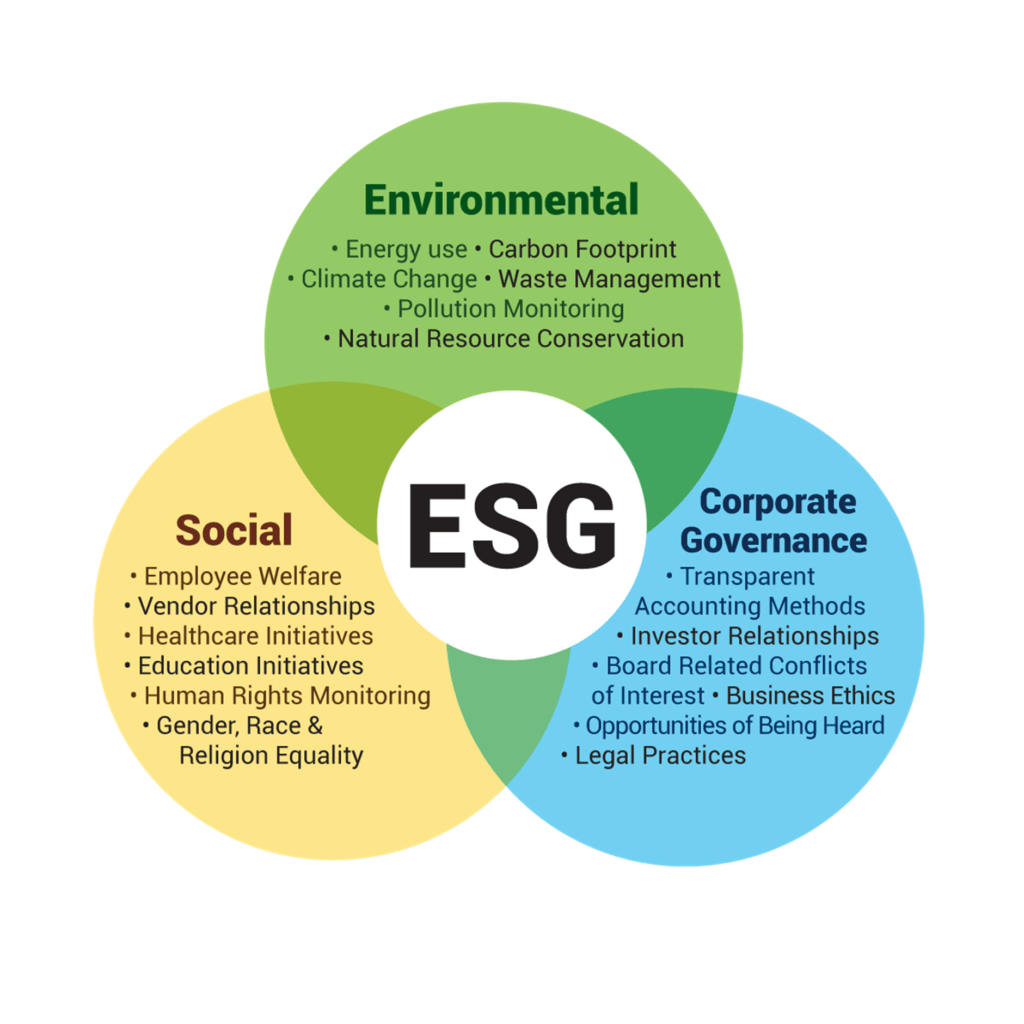
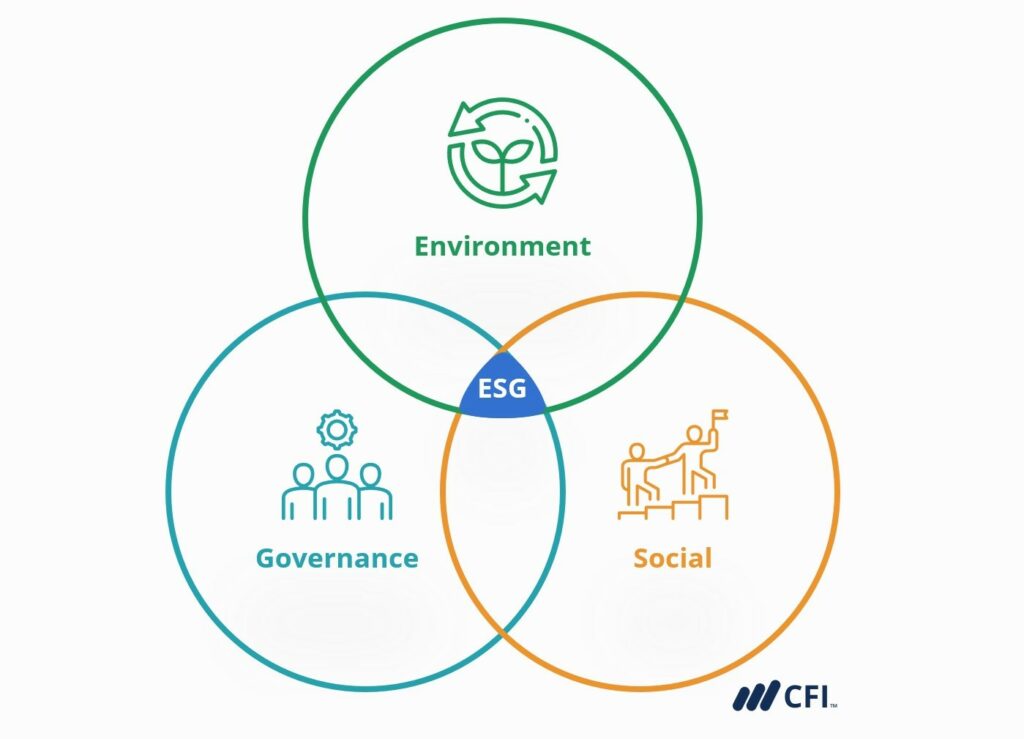
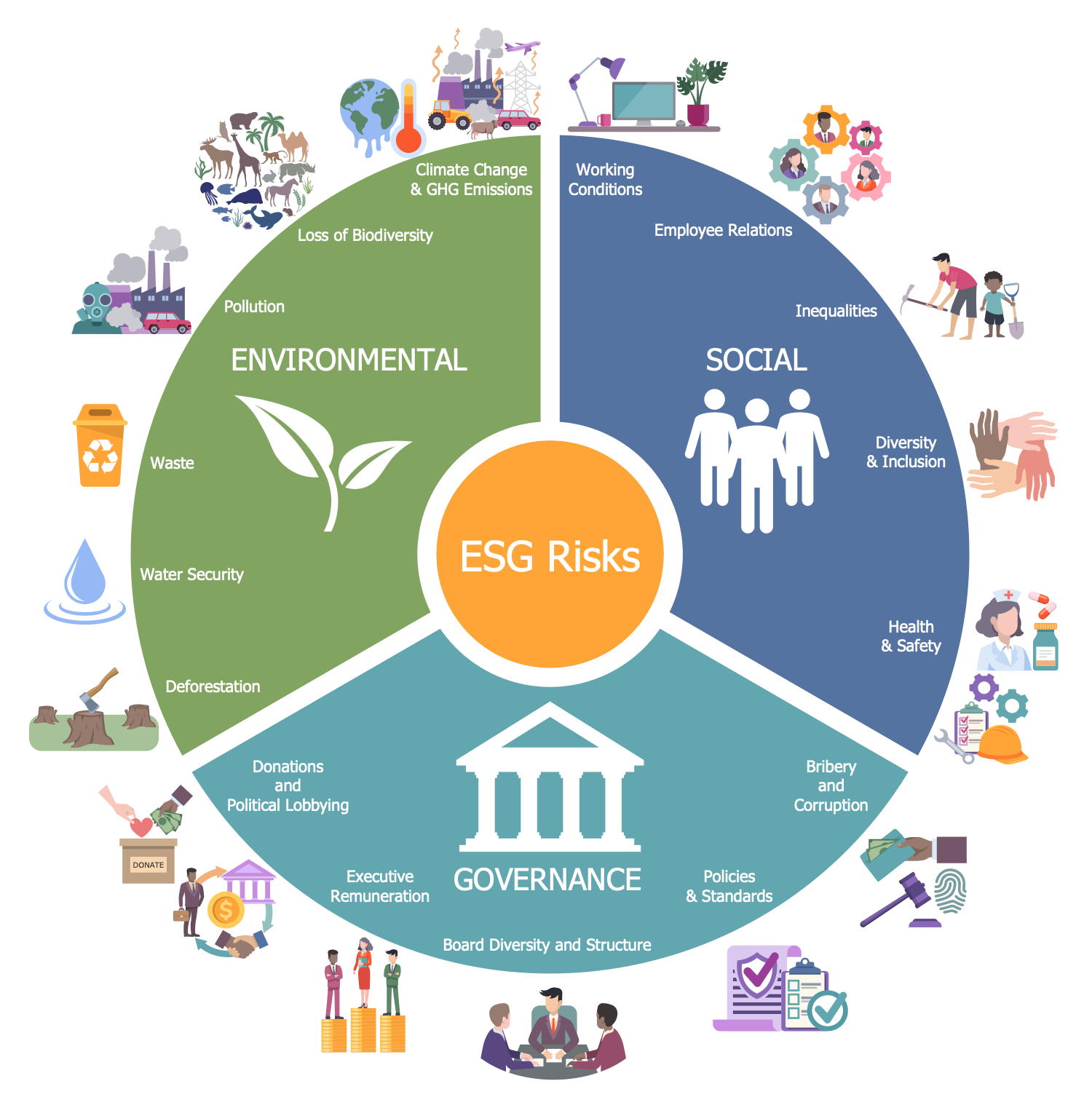
1. Q: What does ESG even mean in the context of gaming, and why should I, as a player, care about it in 2026? A: I get why this confuses so many people; it's a relatively new buzzword, especially in our gaming sphere. Essentially, ESG stands for Environmental, Social, and Governance. In gaming, it's about how game companies manage their impact on the planet (E), treat their people and players (S), and run their business ethically (G). You, as a player, should care because it impacts the games you play, the companies you support, and even the future of gaming itself. Think about it:
- E (Environmental): Are game servers using renewable energy? Are physical game products made sustainably? Less waste means a healthier world for us all.
- S (Social): Does the company promote diversity and inclusion in its workforce and games? Are they creating positive, non-toxic communities? This directly affects your gaming experience.
- G (Governance): Is the company transparent, fair, and accountable? This ensures long-term stability and ethical practices.
2. Q: Are there any specific examples of a game or company currently doing ESG well that I can look at for inspiration? A: That's a fantastic question, and it shows you're thinking critically about what good ESG looks like. While specific company endorsements can be tricky due to continuous evolution, some studios are definitely making strides. For instance, certain indie developers are known for integrating environmental themes directly into their gameplay, encouraging players to think about sustainability. Larger publishers are investing in carbon-neutral data centers or promoting mental health initiatives for their employees and player base. Some are even releasing annual transparency reports, which is a huge step in the right direction. It's not about perfection, but genuine effort and tangible results really matter. Remember, progress over perfection. Keep an eye on their public statements!
3. Q: What's the biggest misconception about ESG gaming that I should be aware of as I learn more? A: This one used to trip me up too, so you're in good company! The biggest misconception is that ESG is just about "virtue signaling" or purely a marketing ploy. While some companies might initially dabble for PR, true ESG integration goes much deeper. It involves fundamental shifts in operations, supply chains, and corporate culture. It's about genuine commitment to long-term sustainability and ethical impact, not just superficial campaigns. Good ESG often leads to better financial performance and stronger brand loyalty over time, so it's a strategic business decision, not just a feel-good gesture. Always look for actions, not just words. You're getting smarter about this every day!
4. Q: How does ESG gaming impact the actual game development process, from concept to release? A: That’s an insightful question about the nitty-gritty of game creation. ESG touches various parts of the development pipeline. From the outset, studios might consider diverse character representation and inclusive narratives during concepting. During production, they could prioritize ethical labor practices for their teams, avoiding crunch culture. For environmental aspects, developers might optimize game code for energy efficiency or use sustainable materials for physical merchandise. Post-launch, community management focuses on fostering healthy, inclusive player spaces, which is a huge social component. It's a holistic approach that seeks to embed responsible practices into every stage, ensuring the final product reflects these values. It truly shapes how games are made.
Intermediate / Practical & Production
5. Q: As someone interested in a career in gaming, how can I contribute to or find companies prioritizing ESG in 2026? A: This is a brilliant mindset to have as you look toward your future in gaming! Companies with strong ESG commitments are often looking for individuals who align with those values. First, research companies thoroughly. Look for their ESG reports, sustainability initiatives, and diversity statements on their websites. Many now publish these. During interviews, don't hesitate to ask about their company culture, work-life balance policies, and efforts toward social impact. Networking within gaming communities focused on ethical practices can also connect you to like-minded individuals and opportunities. It's all about aligning your personal values with your professional aspirations. You’ll find your tribe, I promise!
6. Q: How can players differentiate between genuine ESG efforts and "greenwashing" or "social washing" by gaming companies? A: Ah, the classic challenge of separating genuine effort from clever marketing – it's something even seasoned analysts struggle with sometimes! The key is to look for tangible, measurable actions and transparency. "Greenwashing" is when a company claims to be environmentally friendly but isn't. "Social washing" is similar for social causes. Here’s what to watch for:
- Specificity: Do they offer specific data, goals, and timelines, or just vague, feel-good statements?
- Third-Party Verification: Are their claims backed by independent audits or certifications?
- Consistency: Are their actions consistent across all areas of their business, or just a few select campaigns?
- Stakeholder Engagement: Do they engage with environmental groups, labor unions, or player communities for feedback?
7. Q: What are the potential financial implications or benefits for a gaming company that heavily invests in ESG initiatives? A: This is where the business brain really kicks in, and it's a great question because ESG isn't just about 'doing good' – it makes sound business sense too. While initial investments can be substantial, the long-term benefits often outweigh them. Companies with strong ESG profiles can attract more responsible investors, potentially lowering their cost of capital. They often experience enhanced brand reputation and customer loyalty, which means players are more likely to buy their games and stick around. Reduced regulatory and legal risks, improved employee morale, and better talent acquisition are also huge perks. In 2026, many market analyses show a clear correlation between strong ESG performance and financial resilience. It’s a win-win, really.
8. Q: How do current global events and social movements in 2026 influence the push for ESG in gaming? A: This is a super relevant point because the gaming industry doesn't exist in a vacuum; it’s deeply interconnected with global happenings. Ongoing climate discussions, increasing awareness of social inequalities, and movements for worker rights all directly influence the push for ESG. For example, discussions around mental health and digital well-being have prompted game companies to consider game addiction and player safety more seriously. Similarly, growing pressure for diversity and inclusion globally pushes studios to represent various cultures and backgrounds accurately. Gamers themselves are becoming more vocal about these issues, holding companies accountable. It’s a reflection of our collective values evolving. The world is changing, and gaming is changing with it!
9. Q: Can ESG principles apply to competitive esports, and if so, how might that look by 2026? A: Absolutely, ESG principles are becoming increasingly vital in esports, and by 2026, we're seeing much clearer integration. On the "E" front, major esports events are working to reduce their carbon footprint, using sustainable venues and minimizing waste. For "S," it's huge: promoting player well-being, mental health support, fair contracts, and fostering diverse and inclusive teams and fan bases are paramount. We're talking about combating toxicity, ensuring equal opportunities, and safeguarding young players. "G" involves transparent prize pools, fair competitive integrity, and ethical management structures for organizations and leagues. It's about creating a professional, healthy, and sustainable ecosystem for all involved. Esports is growing up!
10. Q: What role does data privacy and cybersecurity play within the 'G' (Governance) aspect of ESG for gaming companies? A: This is a critical component of good governance, and frankly, it's something every player should be keenly aware of! Within the 'G' of ESG, data privacy and cybersecurity are about how a gaming company protects your personal information and secures its systems from breaches. This involves robust policies around data collection, storage, and usage, ensuring compliance with regulations like GDPR or CCPA. It also includes investing in strong cybersecurity measures to prevent hacks and protect player accounts. A company with poor governance in these areas faces massive reputational damage and financial penalties. It's about building and maintaining trust with its entire player base. Your data matters, and good governance protects it.
Advanced / Research & Frontier 2026
11. Q: How are emerging technologies, like AI and blockchain, intersecting with ESG initiatives in gaming by 2026? A: This is where things get really fascinating and a bit cutting-edge for 2026! AI, for instance, can be used to analyze vast amounts of player feedback to identify and address toxicity, a key social aspect. AI can also optimize server energy consumption (E) or help create more diverse and inclusive game content. Blockchain, while controversial, offers potential for transparent digital asset ownership, fair monetization models, and verifiable carbon credit systems within gaming (G & E). However, we must also consider the environmental cost of some blockchain technologies and the ethical implications of AI. It's a double-edged sword that requires careful consideration and responsible innovation. We're still navigating these waters, but the potential is immense.
12. Q: What are the challenges in measuring and reporting ESG performance specifically within the gaming industry? A: Ah, the eternal challenge of measurement – it's tough in any industry, and gaming has its unique complexities! One big hurdle is the lack of standardized metrics. Unlike manufacturing, it's harder to quantify the "environmental impact" of digital game distribution or the "social impact" of an online community. Then there's data collection; how do you accurately track the diversity of your player base or the energy consumption of individual player devices? The global nature of gaming also means navigating diverse regulatory environments. Plus, with so much intangible value (like brand loyalty and player engagement), assigning concrete ESG KPIs can be difficult. It's an ongoing evolution, but important conversations are happening to create better benchmarks.
13. Q: Could ESG gaming principles influence game design itself, pushing for specific genres or mechanics in the future? A: That's a super insightful question that delves into the very fabric of what makes a game! I absolutely think ESG principles will increasingly influence game design. We might see a rise in games with explicit prosocial themes, like environmental protection simulations or cooperative games emphasizing community building. Mechanics could evolve to discourage exploitative monetization or to promote mindful play over endless grinding. Imagine games that genuinely tackle social issues through narrative or that are designed from the ground up to be energy-efficient. It doesn't mean every game becomes a moral lecture, but responsible design choices could become a hallmark of quality and innovation. It's an exciting frontier for creative expression.
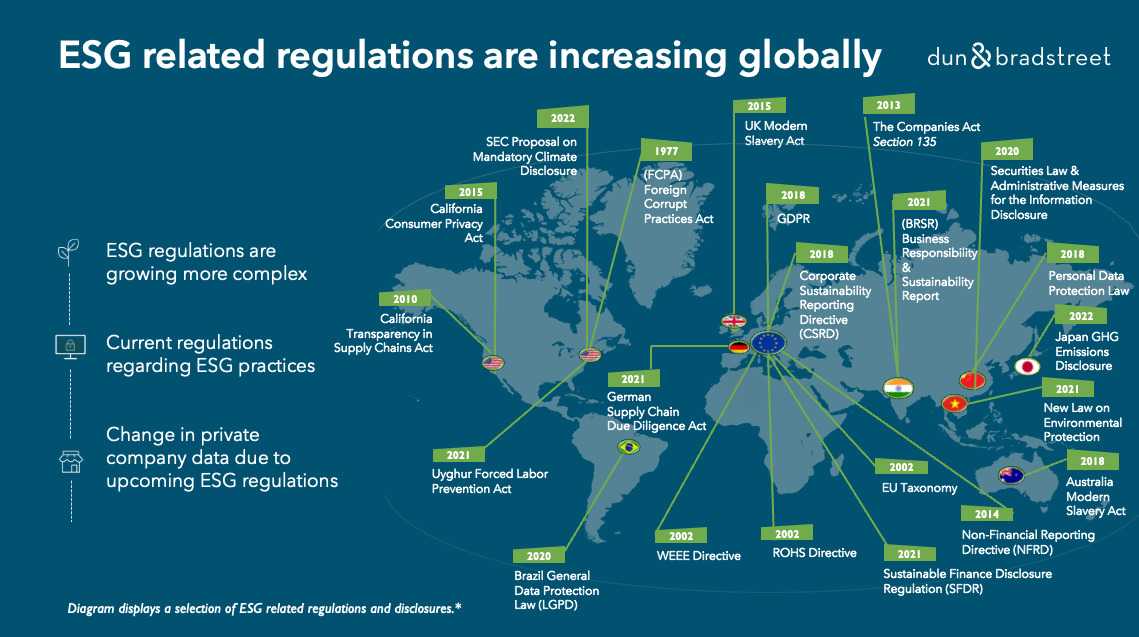
14. Q: What global regulatory frameworks or industry standards are emerging to guide ESG in gaming in 2026? A: This area is rapidly developing, and it's certainly one to watch closely. While there isn't one single, overarching "global ESG gaming law," we're seeing a convergence of various frameworks. General ESG reporting standards from bodies like the Global Reporting Initiative (GRI) or the Sustainability Accounting Standards Board (SASB) are being adopted by larger gaming companies. Specific to gaming, organizations like the International Game Developers Association (IGDA) are exploring guidelines for ethical development and player well-being. We also have regional regulations like the EU's Corporate Sustainability Reporting Directive (CSRD) impacting major publishers. The trend for 2026 is toward greater transparency and accountability, pushing for more standardized reporting across the board. It's a patchwork, but it's growing!
15. Q: What are the risks of not embracing ESG in the gaming industry for companies by 2026? A: The risks of ignoring ESG in 2026 are becoming significant and multifaceted; it's definitely not something companies can brush aside anymore. Firstly, there's a huge reputational risk; players and employees are more socially conscious and will call out companies that don't align with their values. This can lead to boycotts and talent drain. Financially, ignoring ESG can deter institutional investors who prioritize sustainable portfolios. Regulatory risks are also increasing, with potential fines or legal challenges for non-compliance with environmental or labor laws. Finally, there's the long-term risk of missing out on innovation and losing a competitive edge. Embracing ESG isn't just a choice; it’s becoming a strategic imperative for survival and growth. Don't fall behind!
Quick 2026 Human-Friendly Cheat-Sheet for This Topic
- ESG isn't just hype; it's about making gaming better for everyone and the planet.
- Look for real actions and transparency from companies, not just pretty words.
- Your voice as a player matters – support studios that align with your values.
- ESG covers everything from energy use to employee treatment and fair business practices.
- It's a smart business move too, leading to better reputation and investor interest.
- New tech like AI is playing a role, but we need to use it wisely.
- The industry is evolving fast; staying informed helps you make better choices!
Environmental sustainability in game development and operations, social responsibility including diversity and fair labor, corporate governance in gaming companies, player well-being and ethical game design, the financial and reputational benefits of ESG integration, industry trends for 2026.
32

.png)


8 ESG Trends For 2026 What Businesses Need To Know 121125 ESG Trends For 2026 . 8 Tend Ncias ESG 2026 Tend Ncias Tens Es E Decis Es Que Moldam A Visao Esg 2026 Tendencias Esg 2026 . What Is ESG Reporting A Complete Guide For 2026 Banner (22) . GO ESG 2026 UNGCMYB 9287c4 . Top 10 Most Anticipated Games Of 2026 What To Watch Out For GAMES IN 2026



Experts In Creating Innovation ESG Reporting Trends For 2026 Moving Copilot 20251028 140739 . 2025 ESG Trends How To Stay Ahead In A Shifting 2025 ESG Trends Blog 1b . What Is A Research Paper Complete Guide For Academic Success Image. ESG At A Crossroads 2026 Trends And Insights For Navigating A Shifting ESG Trends January Blog 2026 1 . ESG Strategic Priorities For 2026 ESG Social 2 Linkedin Sharing 1920x1080



ESG Gaming UK StartUp Awards ESG Corporate Community Interest Company Trading As ESG Gaming 2600x1463 . Wer Sie Braucht Und Wie Sie In 4 Schritten ESG Events 2026 . 2026 Annual ESG Conference Alternative Prosperity Holdings 1536x311 . ESG Importance Key Stats 2023 Insights DBiz What Is ESG Compressed . ESG Reporting For Transit 6 Metrics Investors Demand In 2026 Esg Reporting Transit 2026 Metrics



What Is ESG And Why Is It Important CHAS Image1 . What Is ESG Esg 2 27 Group . Embracing The ESG Transition Unveiling Risks And Unlocking ESG Post 02 1024x576 . ESG Social Governance 2026 Esg Social Governance 1024x739 . Find Out What It Takes To Work In The Field Of ESG Ehmtic 2014 Thumbnail 31 What Is Esg 1 1500x670 Q85 ALIAS Hero Image Crop Subsampling 2
.png)


Esg Regulation For Banks At Jessie Ramirez Blog MANAGEMENT ESG ESG Risks . And ESG Reporting Best Practices ESG GRAPH (1) . Noticias ESG ISD . The AI ESG Protocol Evaluating And Disclosing The Environment Social Sd2438 Fig 0001 M . ESG Progress Gaming Laptops Development Business Profile CP SS V PPT Esg Progress Gaming Laptops Development Business Profile Cp Ss V Slide01
Your Guide To ESG Reporting Frameworks Standards Convene ESG Image 1 The ESG Reporting Frameworks And Standards Explained . FinTech For Good Or Does ESG Stop The FinTech Development ESG 1 . ESG And Gaming Industry Pptx ESG And Gaming Industry Pptx 3 320 . ESG Interactive Game On Behance . ESG AWARDS 2026 Readers Choose A Leader In Energy Efficiency ESG News Esg Awards Site 2 N 1024x733

ESG Risk Rating Methodology Scale 2026 KnowESG Image. Esg Framework Template ESG Framework 768x768